Remembering Queen Elizabeth II

A tapestry I made as a child, found as I dug out my royal memories.

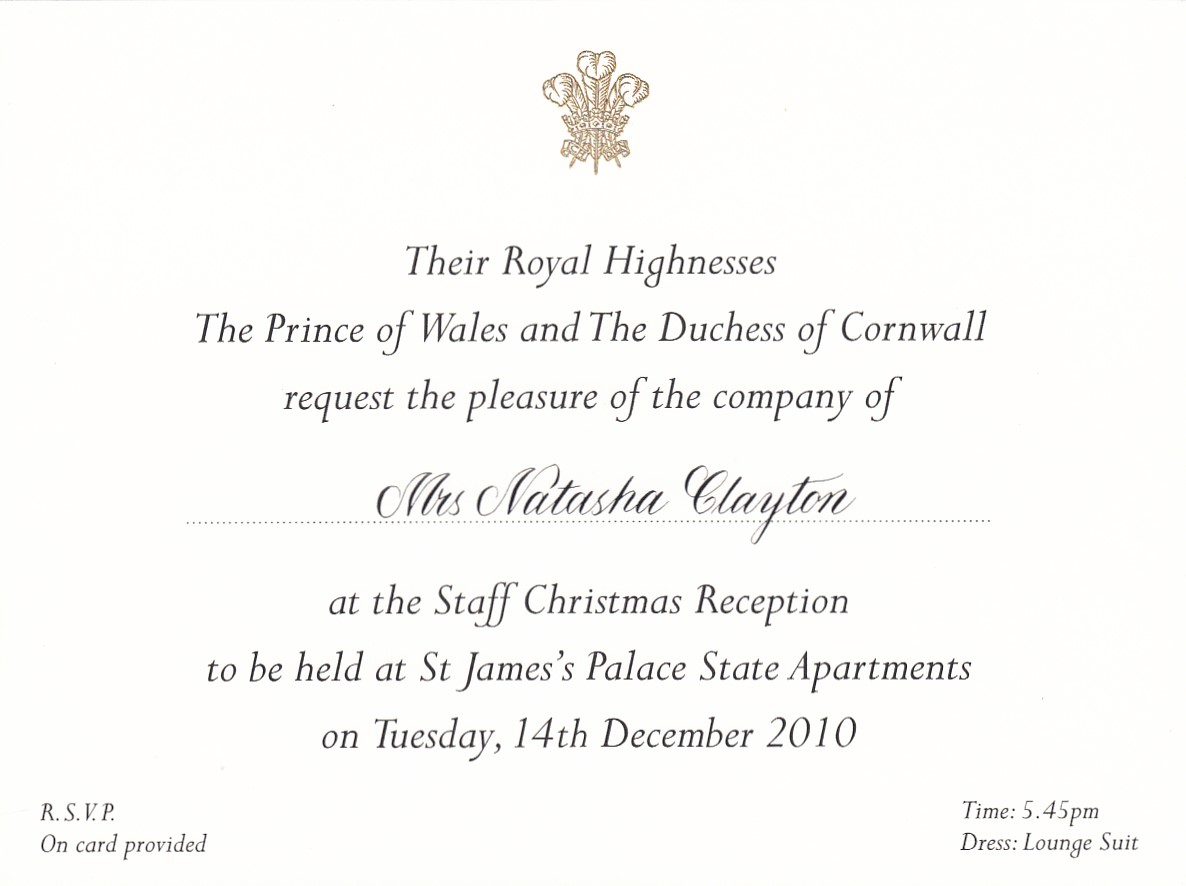
“Monday, Lord Chamberlain’s address in BP. This was fabulous. Walking in the main gate + across the central square, the state apartments. Then listening to Start as part of the main address. Then the reception. The state apartments are so sumptuous. We were about to move rooms & then saw them coming towards us. We quickly realised we’d get Prince Philip which was cool in its own right. He asked us all one by one where we were for Christmas with no real interest in the answer. But he does look younger in person than he does on film for his 89 years. + then one of her majesty’s aides lined us up + we were introduced to the Queen! She was lovely (although more interested in royal collection marble than PoW ‘Start.’ So grandma like + gracious. Although her hands were less glam than expected. She spoke about dodgy marble + I said how lovely. I went home singing + told stories”.

Verbatim from my diary, written on 16 December 2011 about the day I became the only person in my family to meet the Queen in person and perhaps the only one to have met a reigning monarch. (Sisters-in-law excluded).

Here follow’s a swift roundup of our family’s love of & connection to the Queen in memory of a beloved monarch. May she rest in peace.

Scarf from Queen Elizabeth’s coronation. Belonging to either Nana or her mother, Marian Moody. Now proudly owned by my Mum.

Nana (Mary Booth) was an ardent Queenie fan. So much so that when her only daughter, my mother, was born in 1952 there was only one name she could call her, Elizabeth. Aunty Christine (Dad’s elder sister) was equally as devoted. Although we no longer have the scrapbooks that both faithfully collected, they passed on their love of the Queen to us, their family.
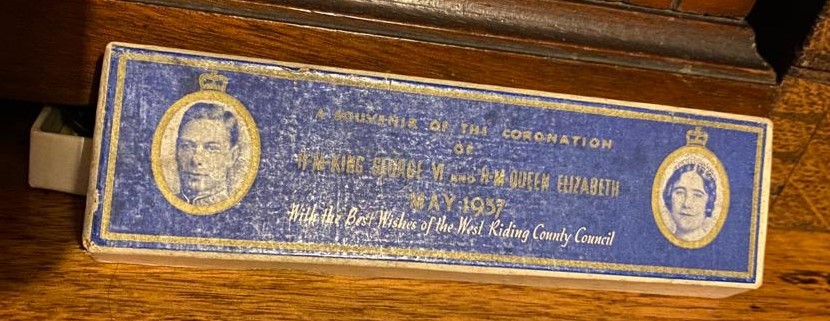
Mum and Uncle Richard were born more than ten years after the coronation of Queen Elizabeth II’s father, King George VI yet she still has these momentoes scratched with the initials RB & AB to ensure they knew who’s was who’s

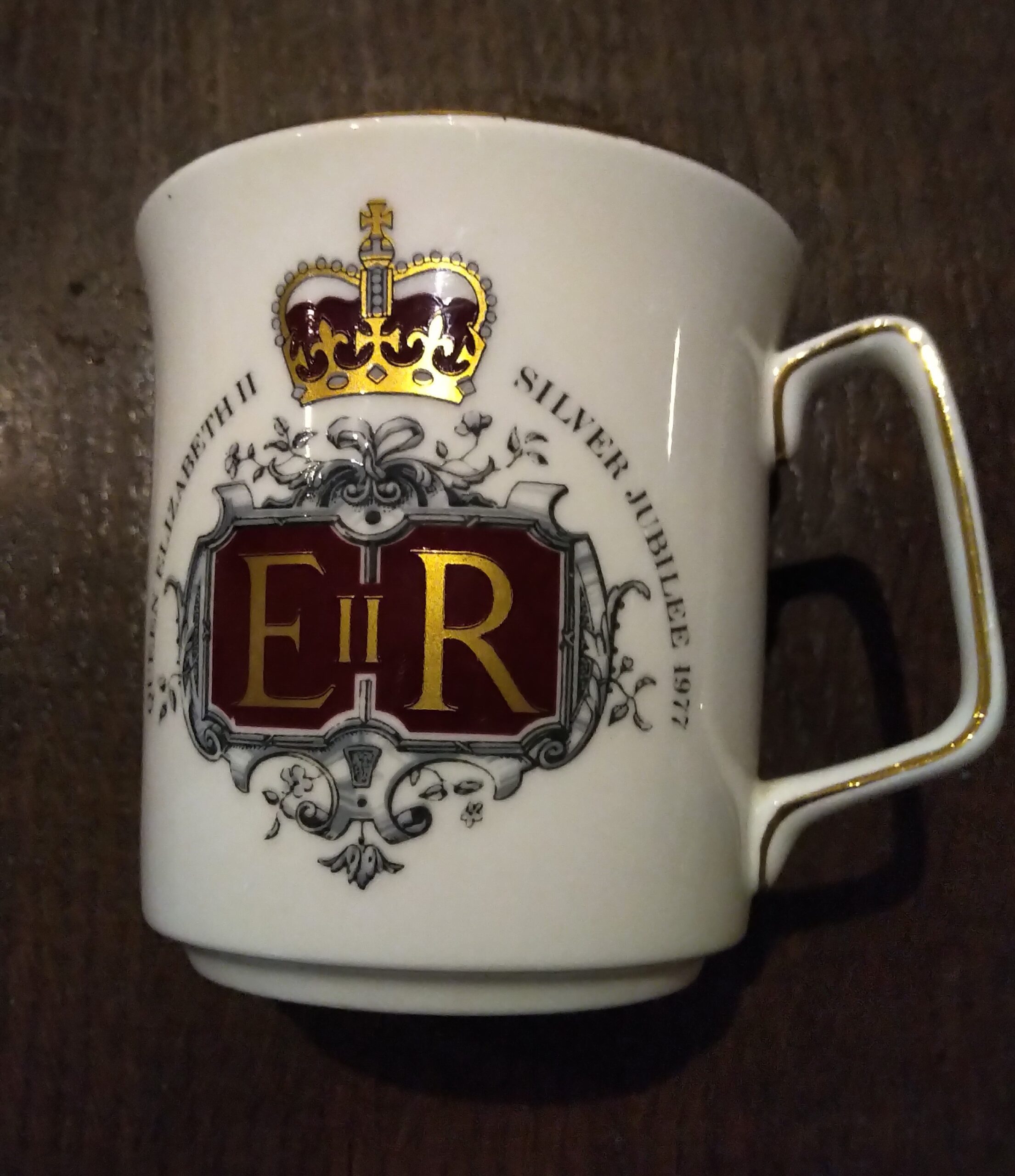
Farnley Hall held an estate wide celebration for the Silver Jubilee in 1977. My sister & I were presented with gifts. Mum had to win hers….
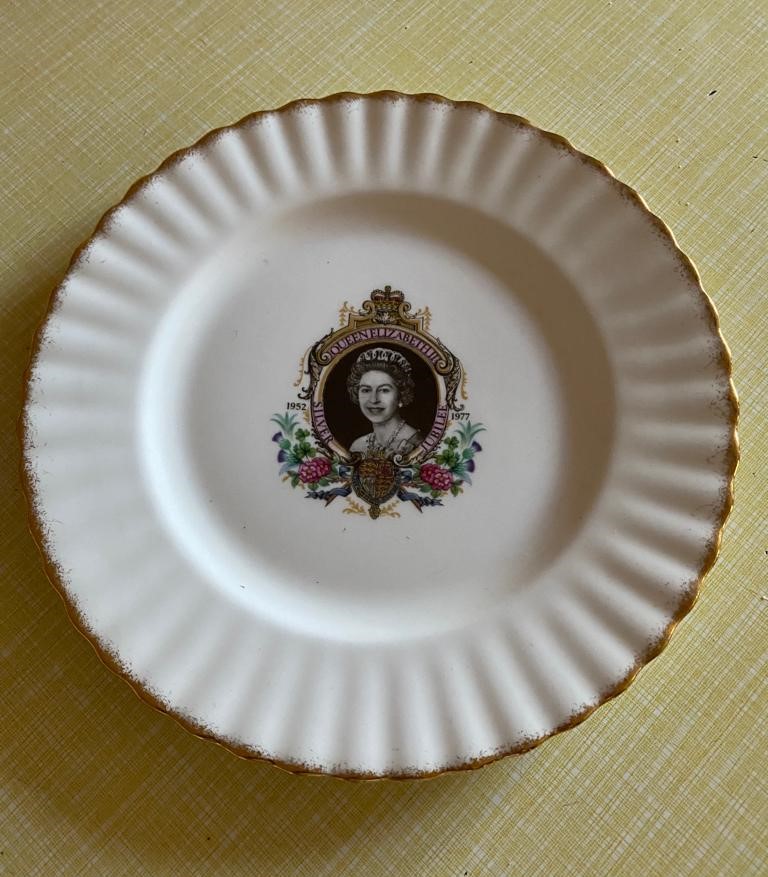
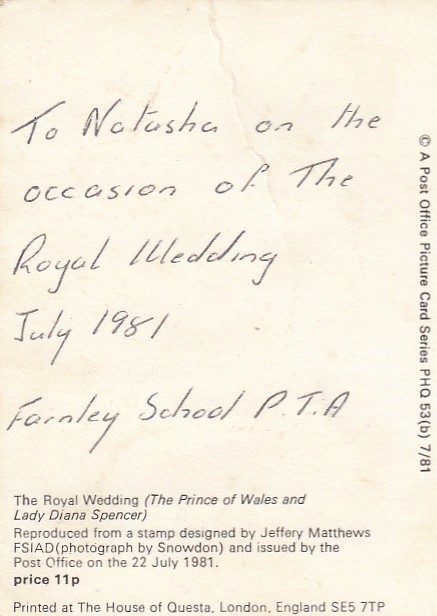
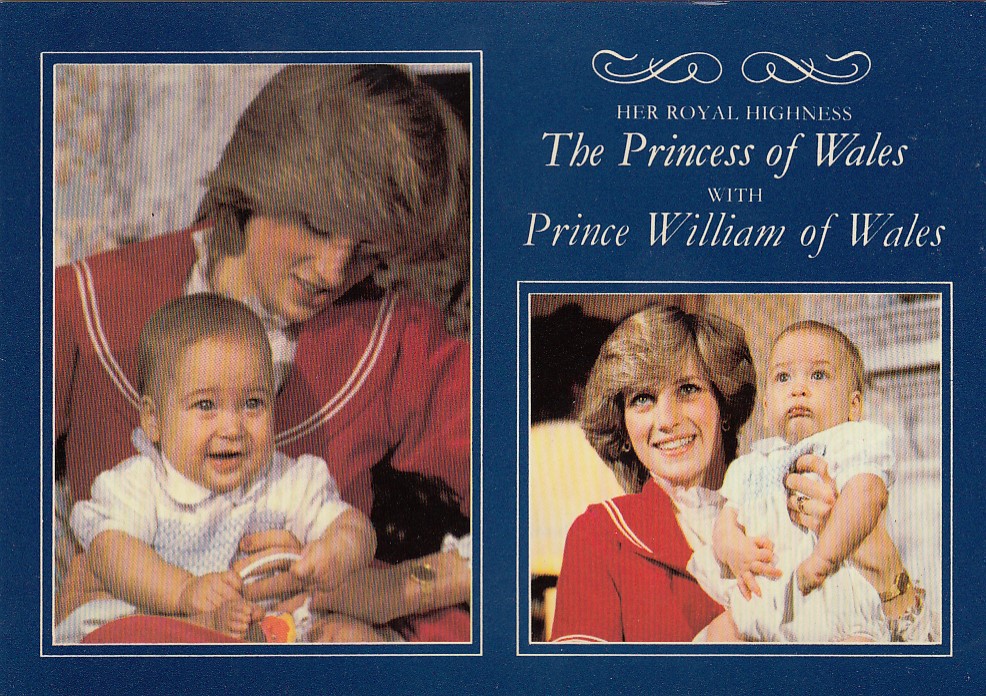
Next up was the Royal Wedding of The Prince of Wales and Lady Diana Spencer on the 29 July 1981. By then I had started school.

We now take a 30 year interlude. Yes, we were excited about the birth of Prince Harry and the marriage of HRH The Prince Andrew & Miss Sarah Ferguson (how little did we know) and there was the frequently told story of how Mum cut the head of HRH The Princess Anne (in a photo of her presenting the 1st prize trophy in the NFYFC fashion competition to my sister, Helen), but the Royals did somewhat pass us by while we were growing up.

Until, on 15 February 2011, I started work in Clarence House as the project manager for Start, an initiative of HRH Prince of Wales charities.

It was here I really realised the pulling power of the palace. I have particular memories of sitting next to Sir Stuart Rose, talking about Yorkshire, hours after I had heard him on Radio 4 talking of his resignation as Executive Chairman of Marks & Spencer.

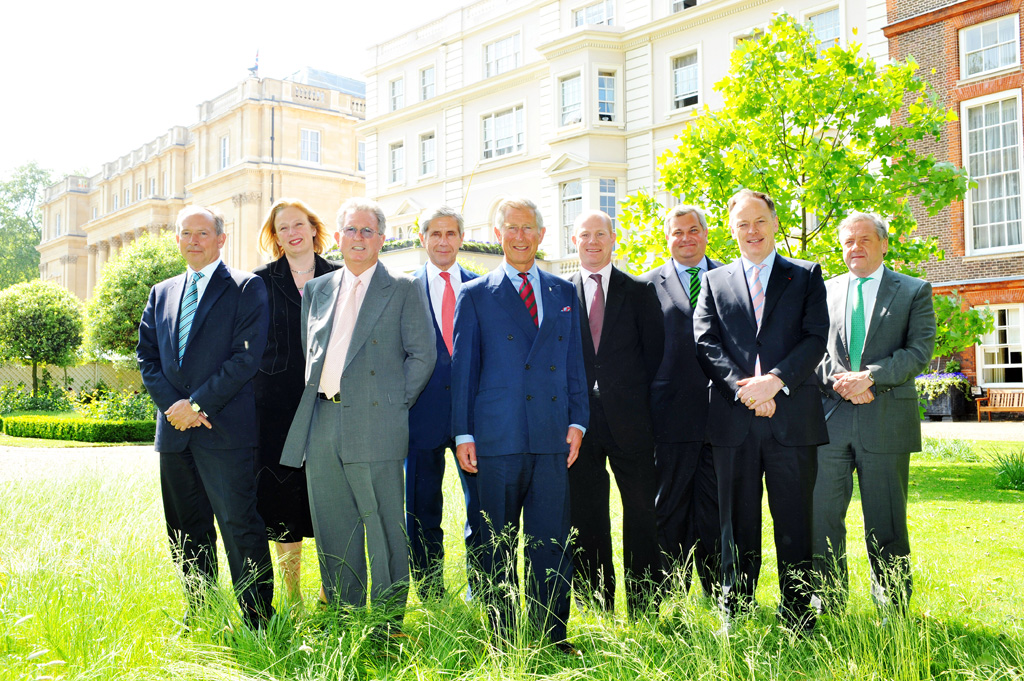
It was this role that led to the most remarkable series of Christmas parties. Clarence House, carols at The Queen’s Chapel and Buckingham Palace and the reflections with which I started this blog.
Unfortunately, I’d left just too soon to secure any sort of special access or insight into William & Kate’s wedding the following year. Already anxious that May Day Bank Holiday Monday was being moved to the Friday (it being my day of remembrance for Paul) I am not quite sure why I thought I could attend a celebration party where people were encouraged to where wedding dress for free entry. I pleaded widowhood and then later in the day changed my mind, cycling down to join the celebrations in Green Park.

Picked up in Green Park at a party I was initially reluctant to join.

Just as the Queen failed to head my edict that she had to live long enough to become the longest reigning monarch (damn Louis XVI for succeeding to the throne when he was four years old and ensuring the French will forever retain this title) Grandpy & Grandma both failed in my request that they live to 100 to receive their birthday card from the Queen. Fortunately Aunty Muriel (Grandma’s oldest sister) took up the mantle.

Aunty Muriel’s card from the Queen, October 2016

In a final ode to the Queen, Sharon & I decided to bid for a chance to join The Patron’s Lunch on The Mall to celebrate the Queen’s 90th birthday. Sharon is, I think, the staunchest Queenie fan in our generation and torrential rain was not about to spoil the most wonderful day.
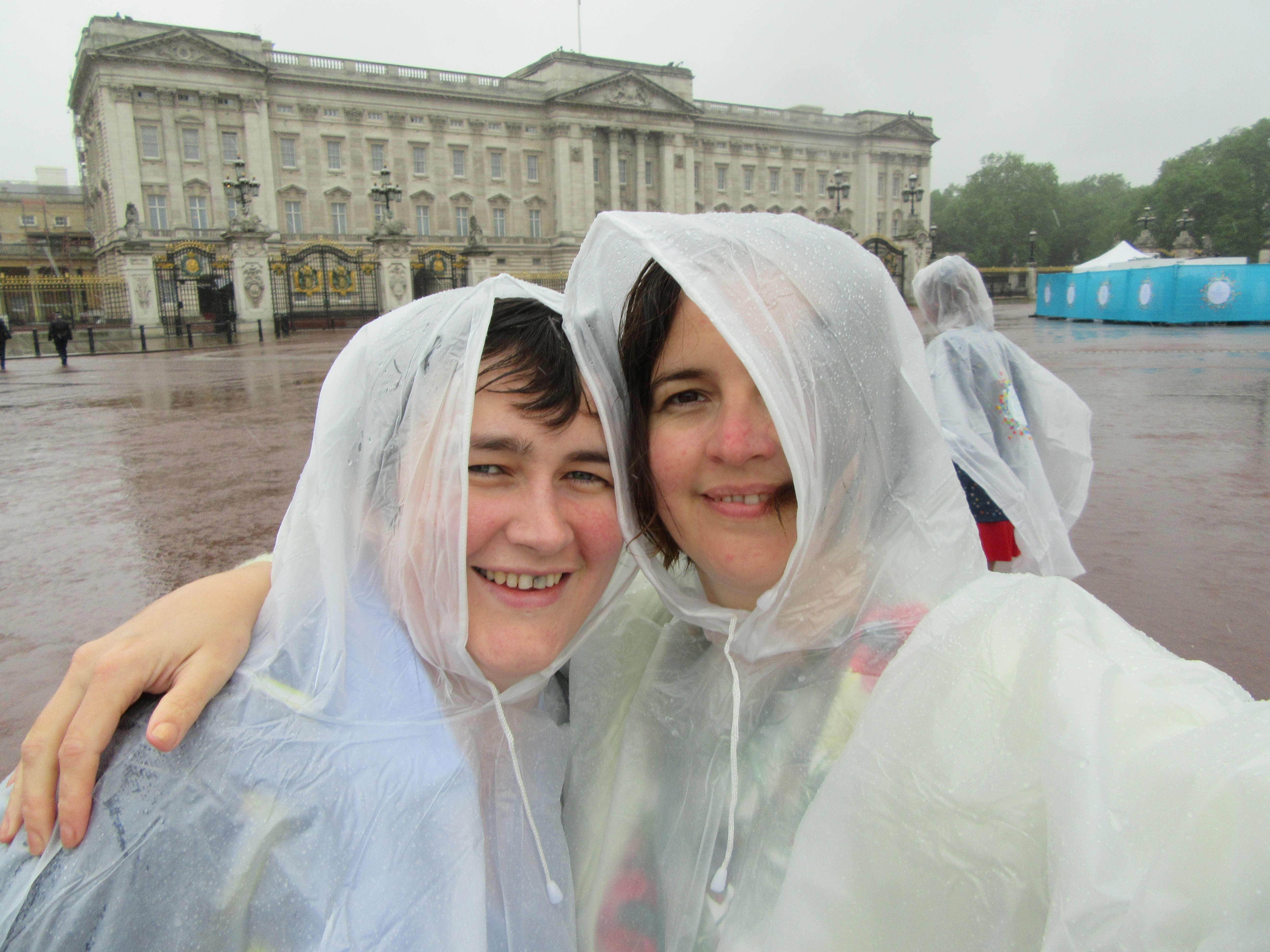
In these next few hours, days and weeks many will remember the Queen. This is our story. Rest in peace Queenie. You have our family’s love.

(By strange coincidence, the last blog I wrote set out our purported relationship to King John. He “may” be our 25th great grandfather which makes Queenie our “cousin.” So be nice, we just lost a family member…..
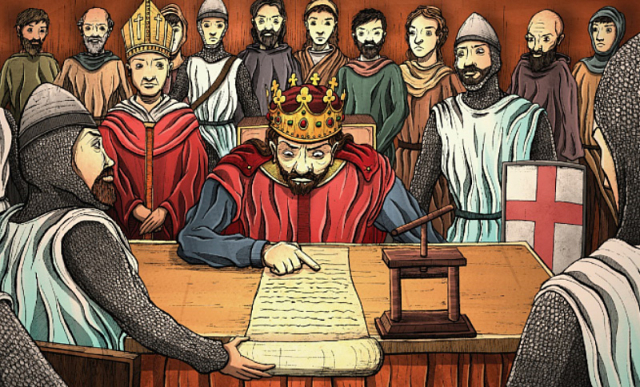
Once upon a time – how we “could” be descended from royalty

Image from www.history.org.uk

You are of royal descent, because everyone is. You are of Viking descent, because everyone is. You are of Saracen, Roman, Goth, Hun, Jewish descent, because, well, you get the idea. All Europeans are descended from exactly the same people, and not that long ago. Everyone alive in the tenth century who left descendants is the ancestor of every living European today, including Charlemagne, and his children Drogo, Pippin, and, of course, not forgetting Hugh. If you’re broadly eastern Asian, you’re almost certain to have Genghis Kahn sitting atop your tree somewhere in the same manner, as is often claimed. If you’re a human being on Earth, you almost certainly have Nefertiti, Confucius, or anyone we can actually name from ancient history in your tree, if they left children. The further back we go, the more the certainty of ancestry increases, though the knowledge of our ancestors decreases. It is simultaneously wonderful, trivial, meaningless, and fun[1]”.

Proving the connection of course is much, much, much more difficult. The following chain was taken from www.familysearch.org in February 2022. The first ten generations starting from my Grandad are from my research, the very earliest agreed by historians. The bit in the middle is likely simple guesswork. When I went back to family search just a few weeks later the middle bit had been disconnected, so we are likely just descended from the peasantry (which would better ensure our Yorkshire roots so suits me). Nonetheless this “could” be how we are descended from King John and from there to both William the Conqueror and Alfred the Great. Not sure it’s the king I would choose……

  1. George Houseman (1921 – 1987) (Grandad)
  2. George Houseman (1868 – 1937)
  3. Thomas Houseman (1834 – 1908)
  4. Sarah Stansfield (1804 – 1885)
  5. Catherine Andrews (1778 – 1836)
  6. William Andrew (1728 – 1809)
  7. William Andrew (1696 – 1761)
  8. Ellen Inglesant (1663 – ?)
  9. Elionar Holme (1632 – ?)
  10. Ann Sympson (1595 – 1671)
  11. William Sympson (1567 – )
  12. Thome Sympson
  13. Thomas Simpson (1501 – 1545)
  14. William Simpson (1480 – 1524)
  15. Thomas Sampson (1439 – 1539)
  16. George Sampson (1422 – 1458)
  17. Margery Felbrigg (1407 – 1476)
  18. Sir John Bigod Felbrigg (1390 – 1475)
  19. Margaret Margery de Aspale (1356 – 1419)
  20. John de Aspall (1332 – 1377)
  21. Mirabella Wake (1310 – 1355)
  22. Hugh Wake (1272 – 1315)
  23. Lady Hawise de Quincy of Steventon (1250 – 1285)
  24. Elen (the Elder) ferch Llywelyn (1207 – 1253)
  25. Joan, Lady of Wales (1188 – 1237)
  26. King John of England (1166 – 1216)

[1] A brief history of everyone who ever lived. Adam Rutherford. Quoting from Joseph Chang’s mathematical paper.

Mary Houseman a nature explorer

Natasha & Andrea Petty with their 8th prize plaques in the YFC National Final Country Spotter Competition, 1989. Coordinating colours completely accidental! Own photo.

Country spotters was a new competition for the national federation of young farmers. Who would sign up? With Aunty Christine as club leader, I was often volunteered for the non-obvious classes. And who better to join me in the two-person team than my oldest friend, Andrea Petty (see also Swinsty Hall). Somehow, we flew through the county round and were headed for Stoneleigh and the national finals. I remember thinking I should revise (I was a reasonably conscientious teenage) but honestly a competition that could require identification of anything from cows through weather to rock formations doesn’t allow for last minute cramming.

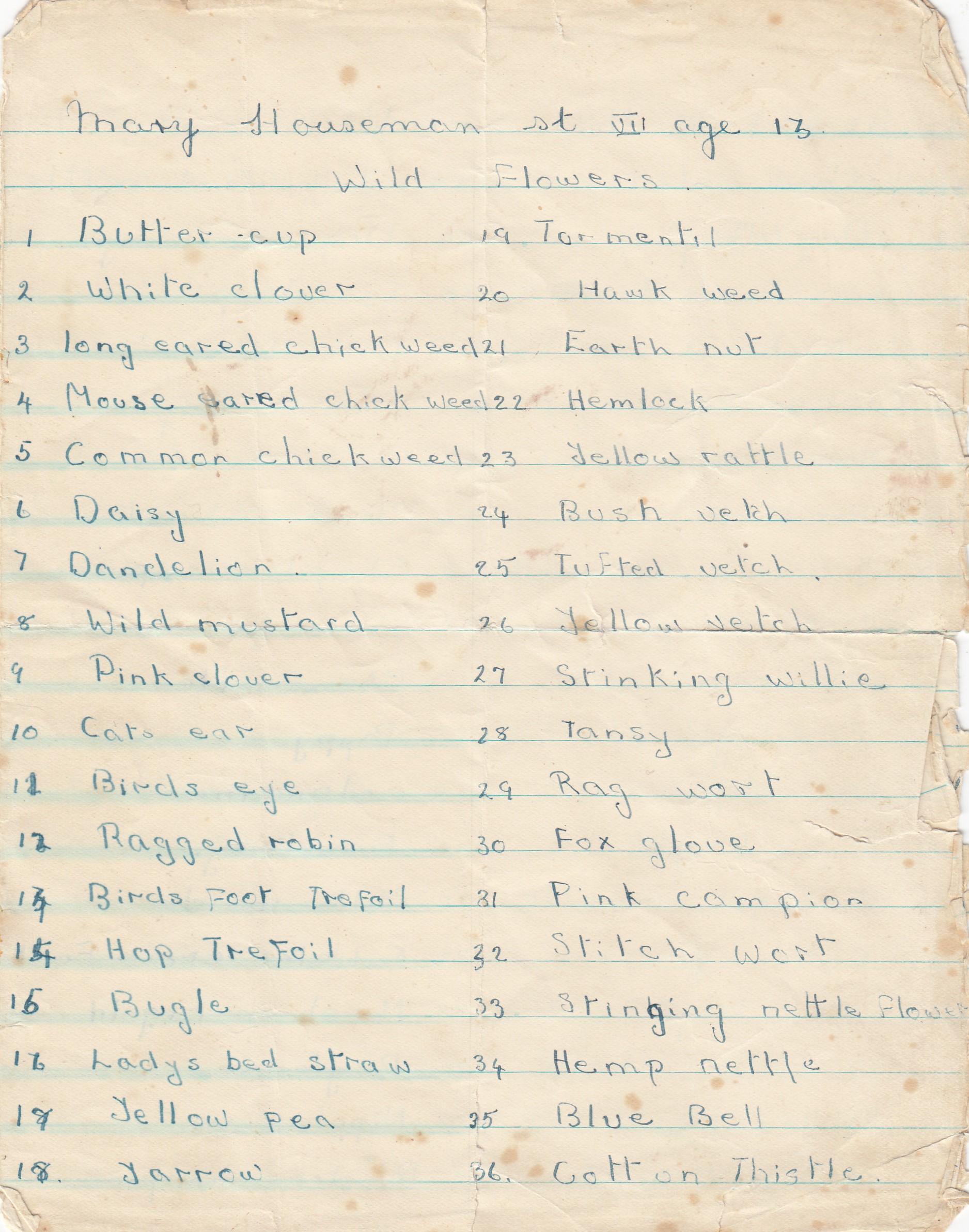
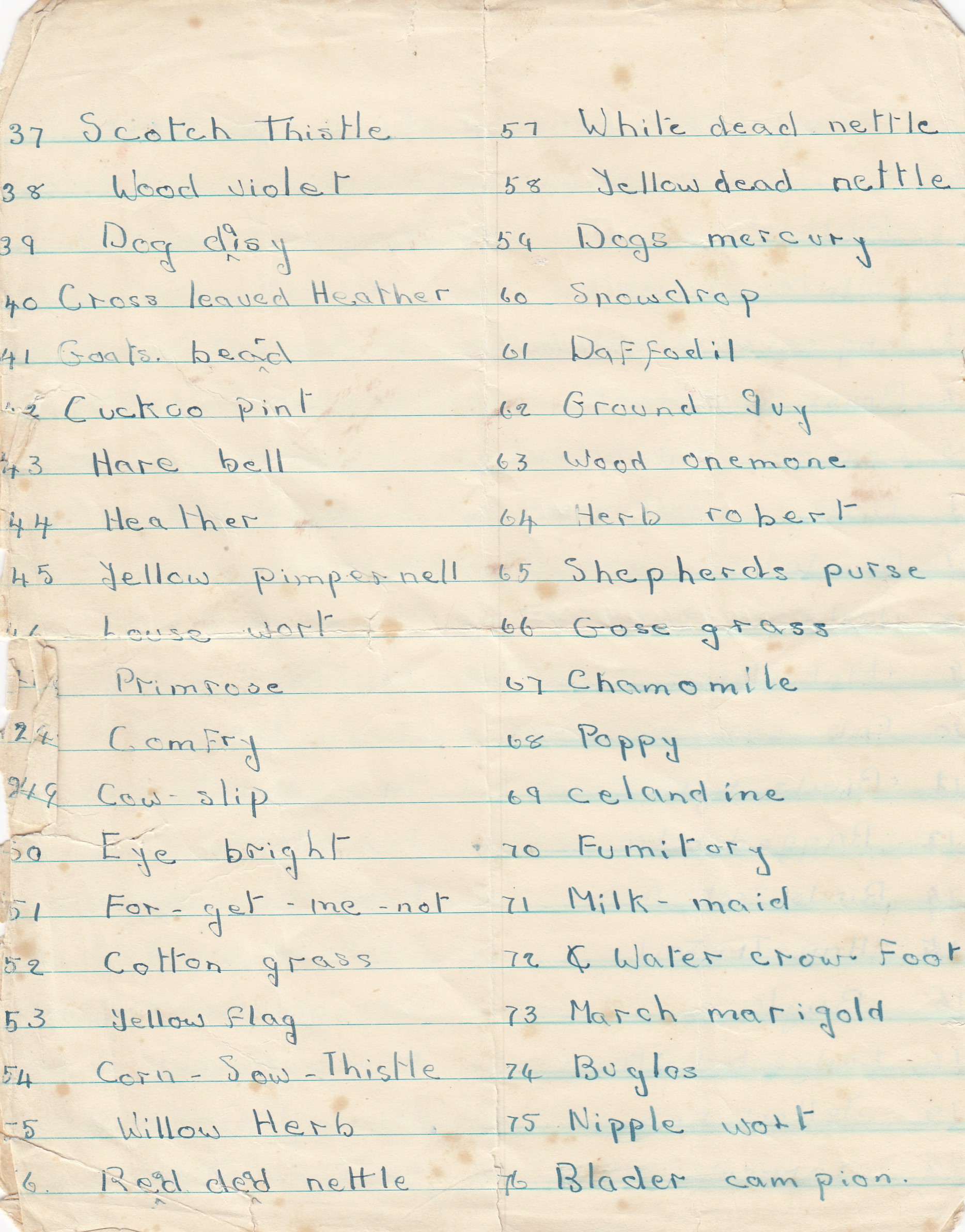
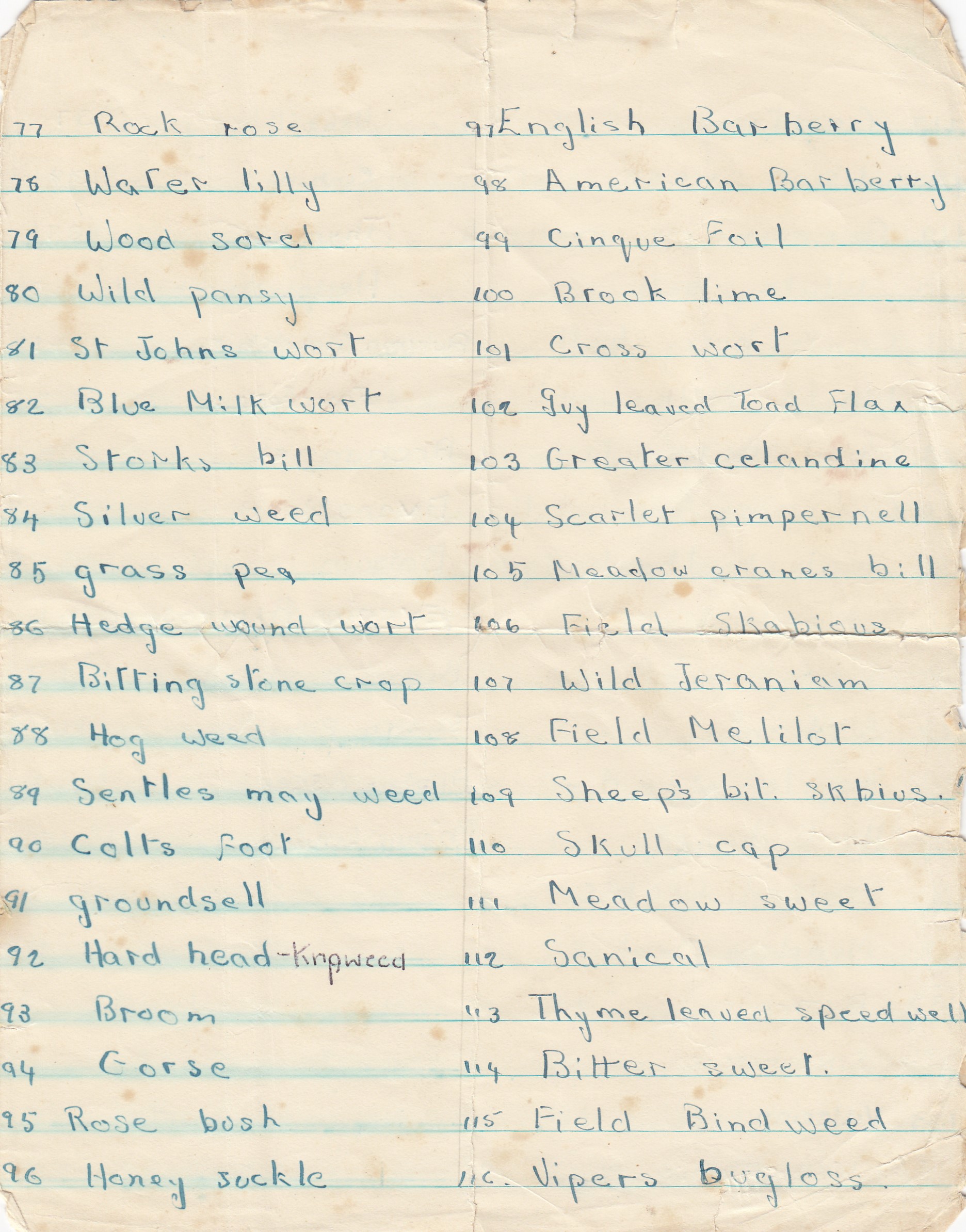
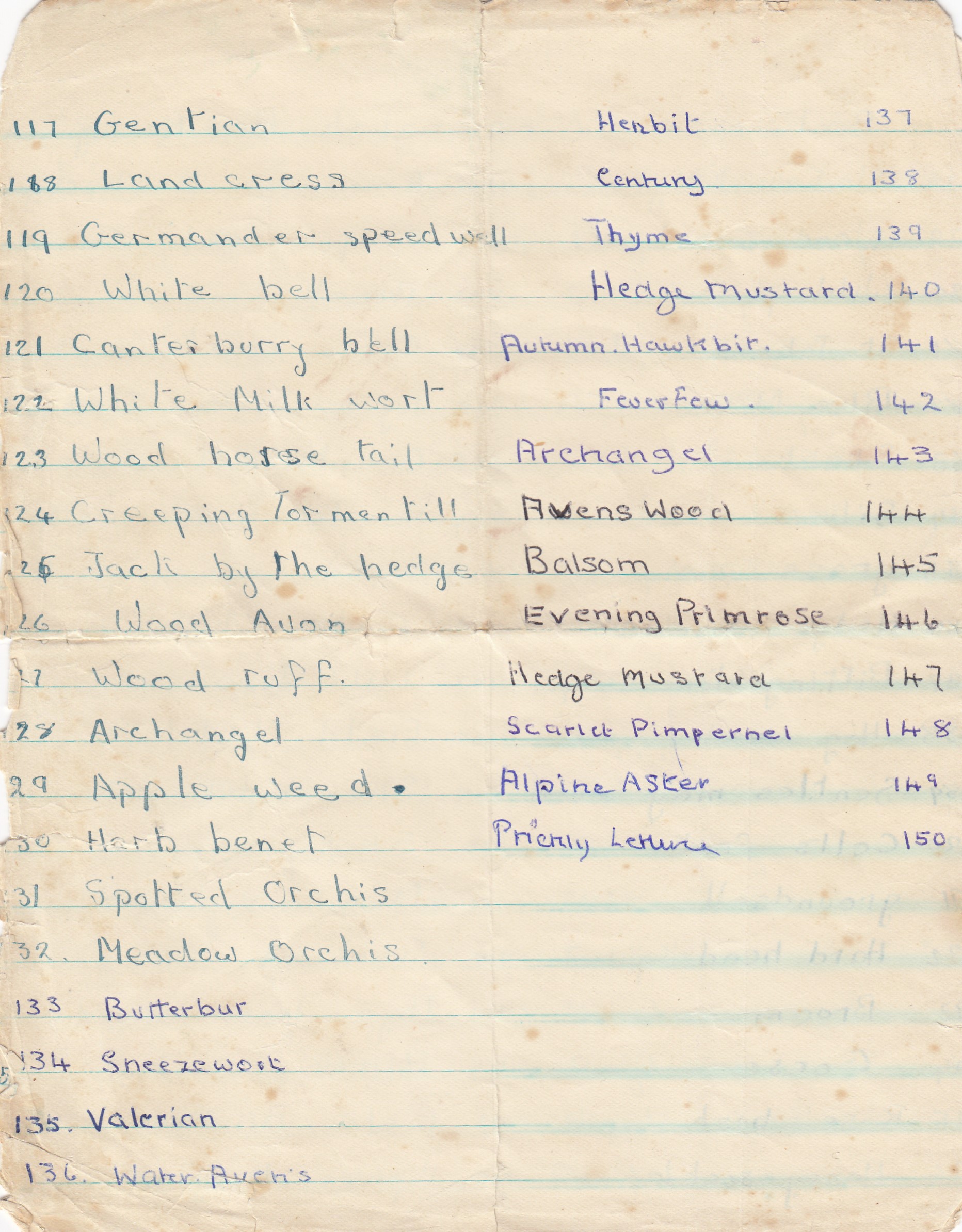
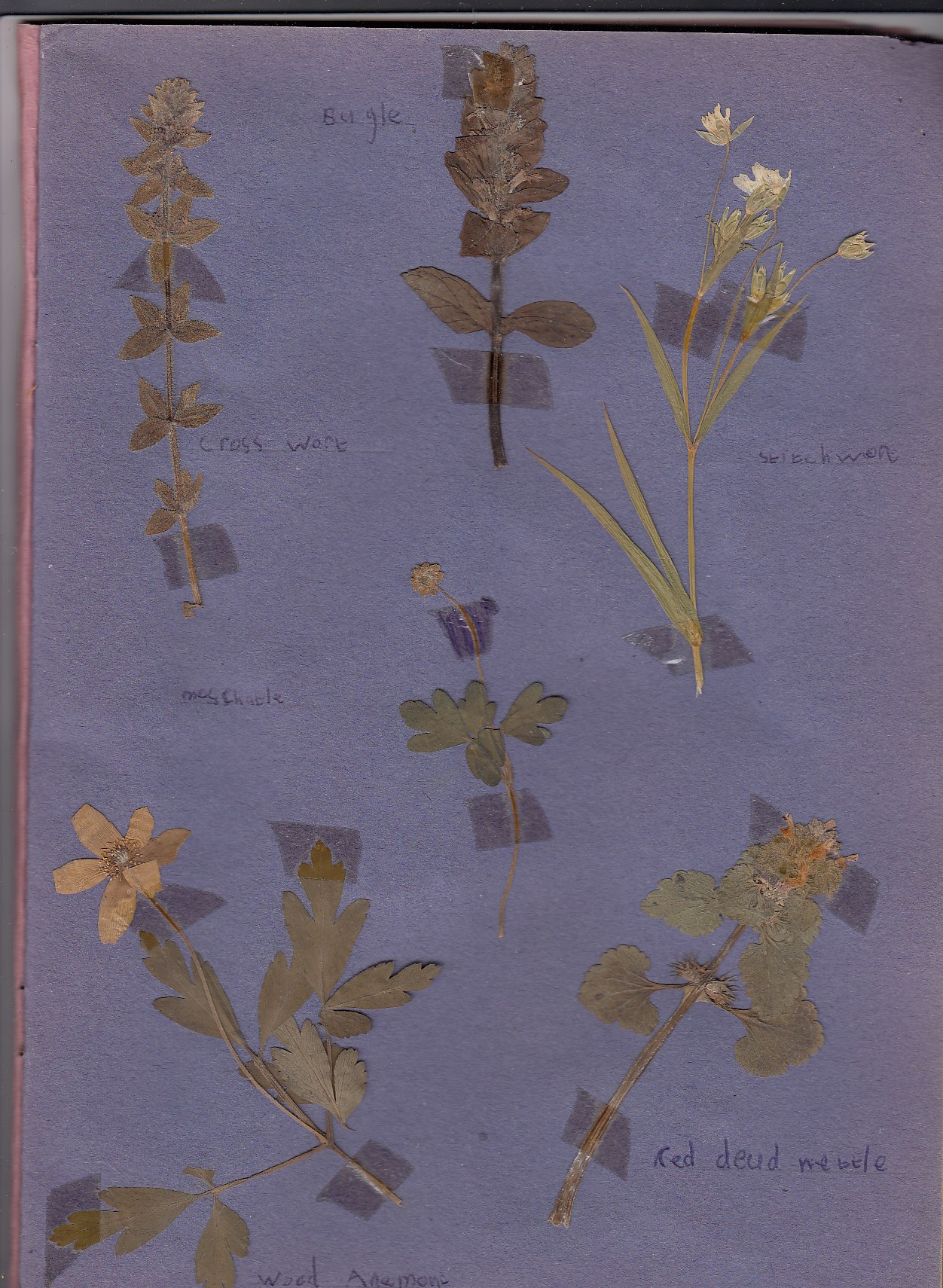
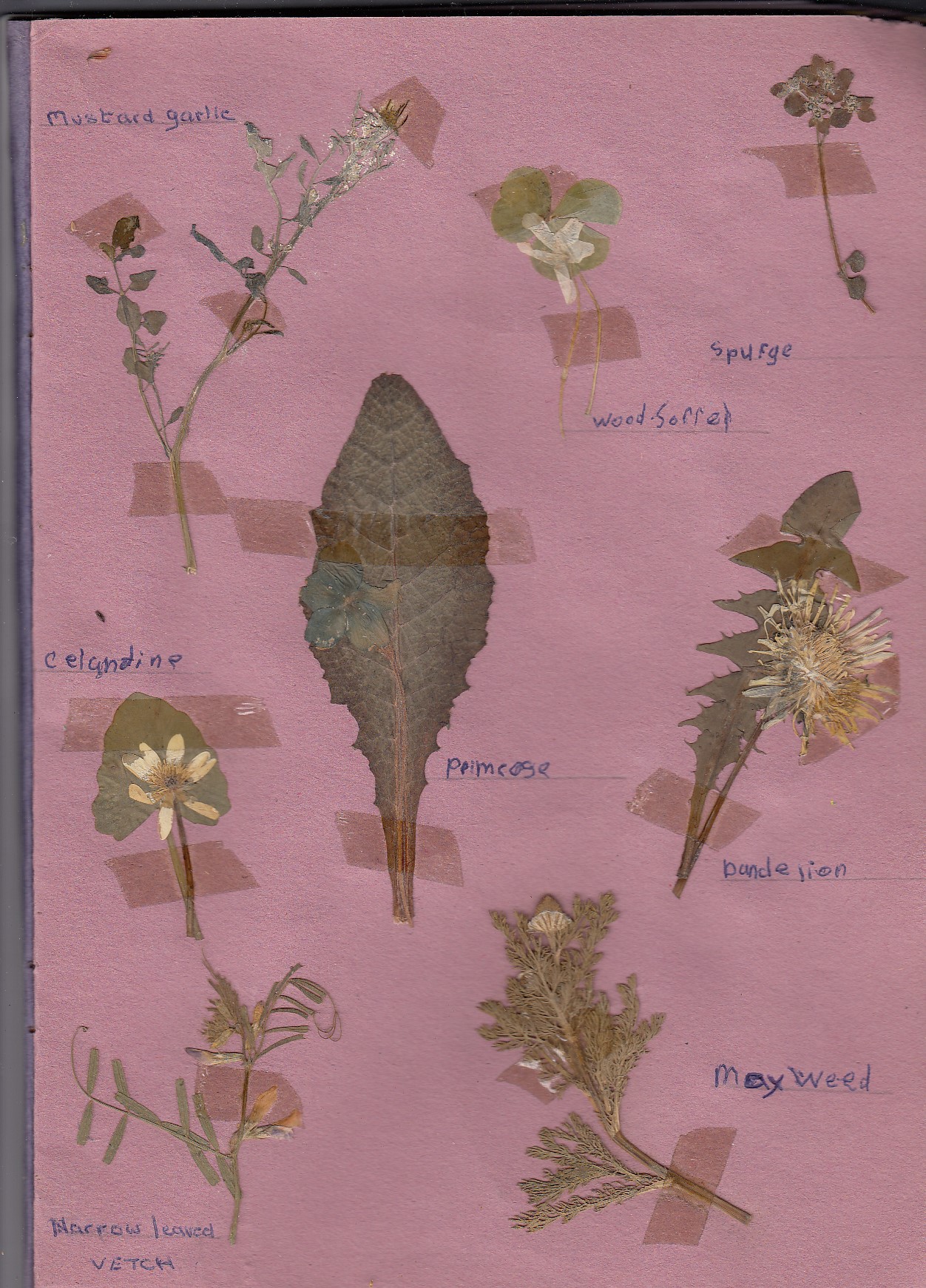
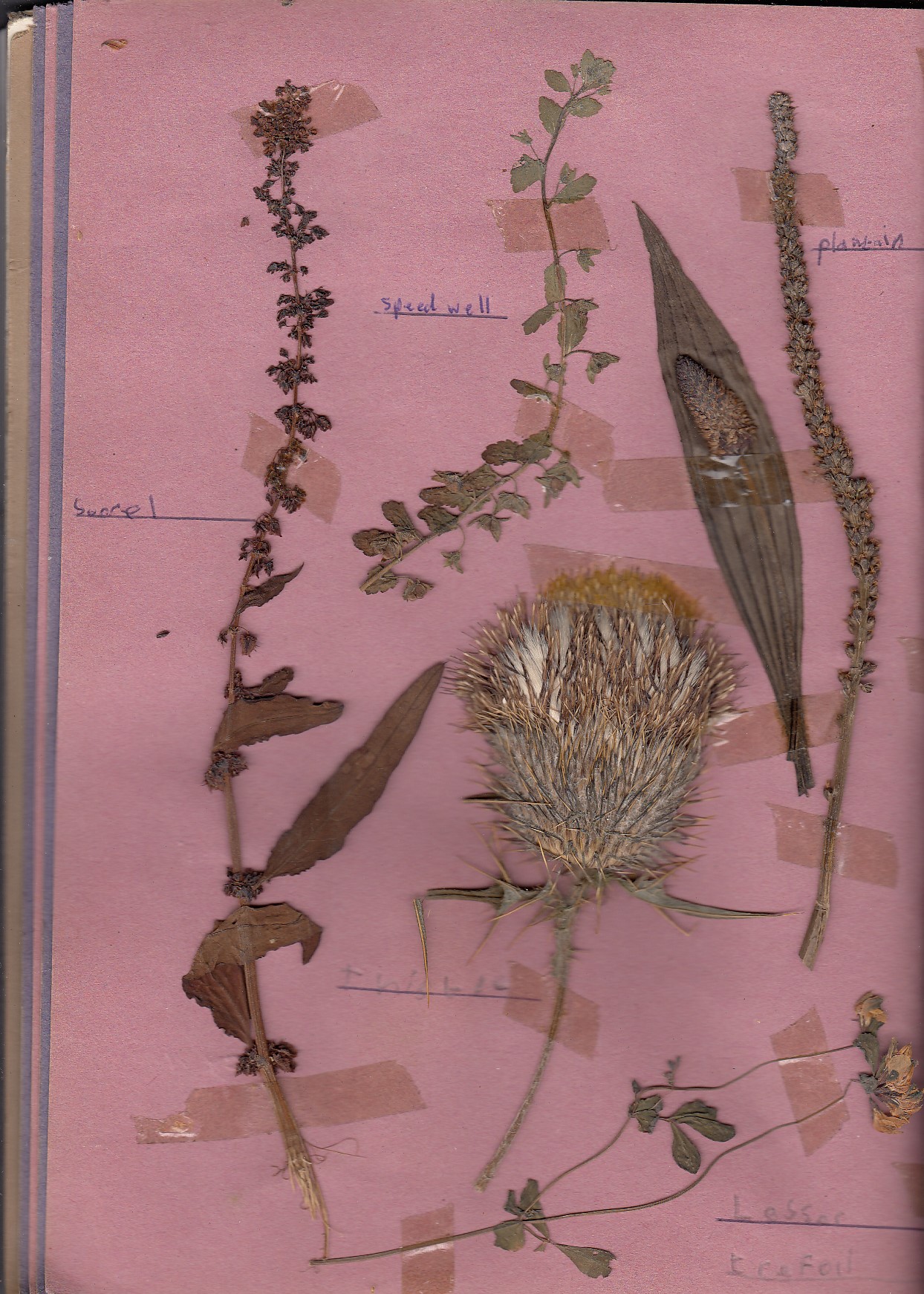
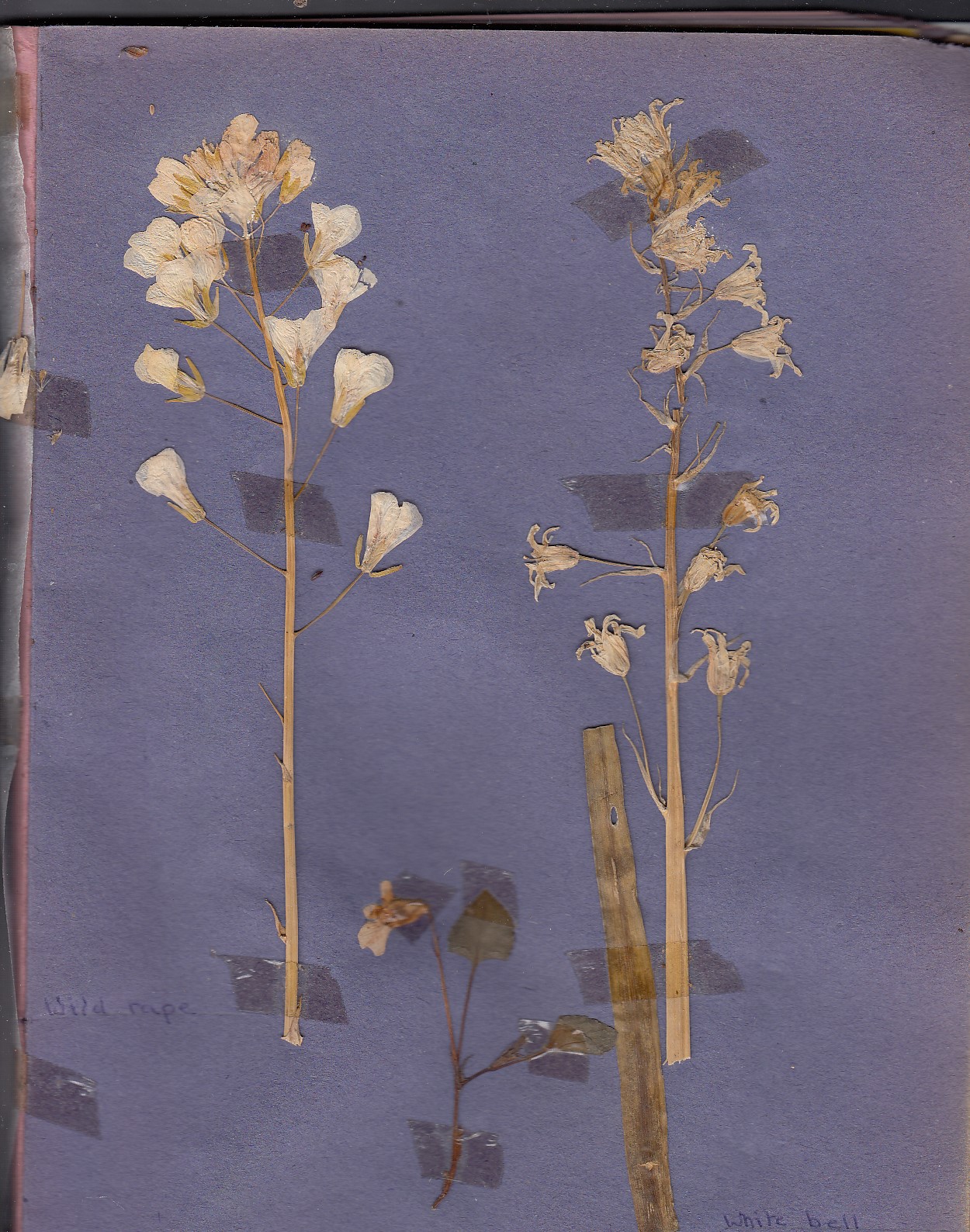
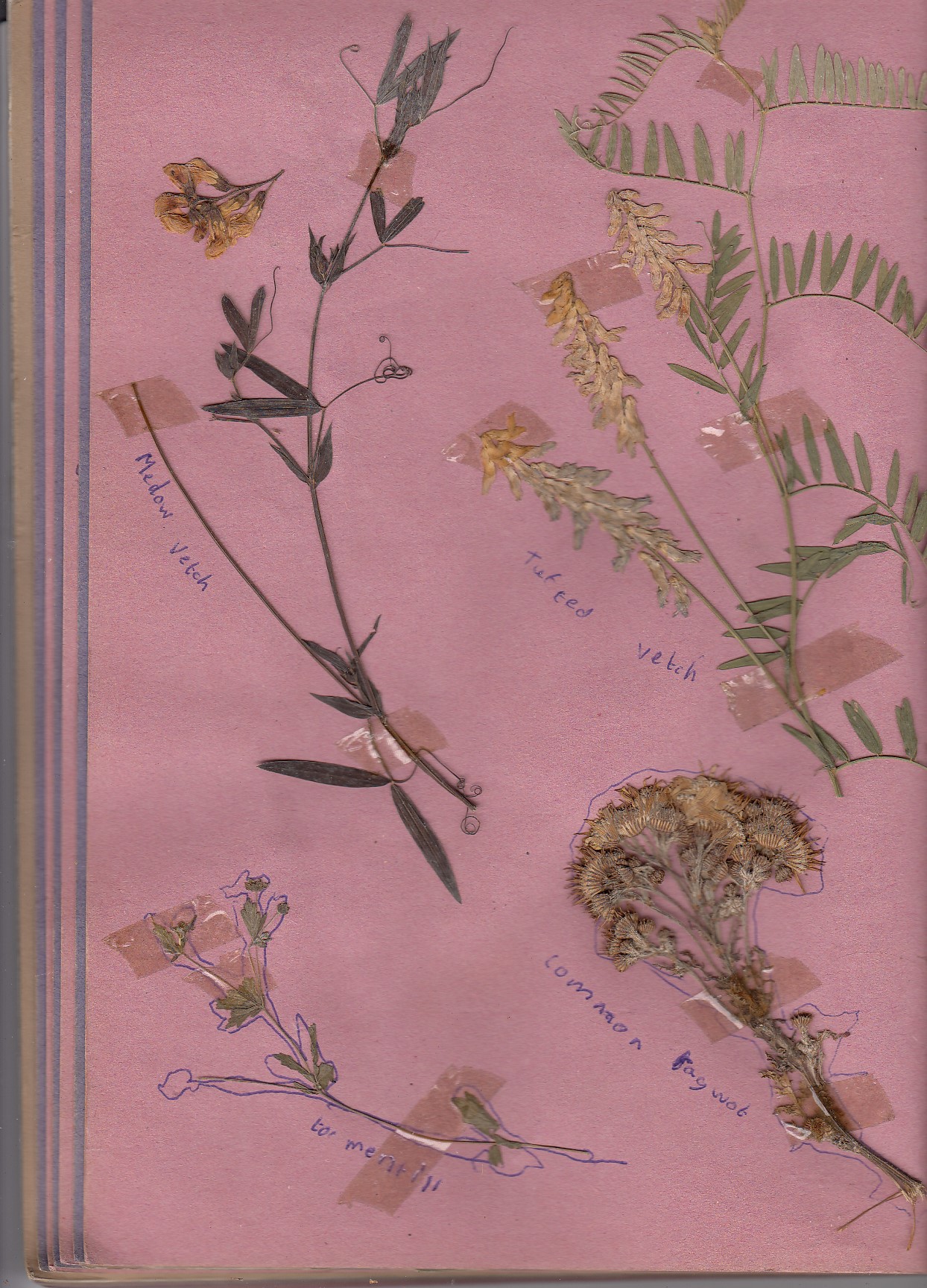
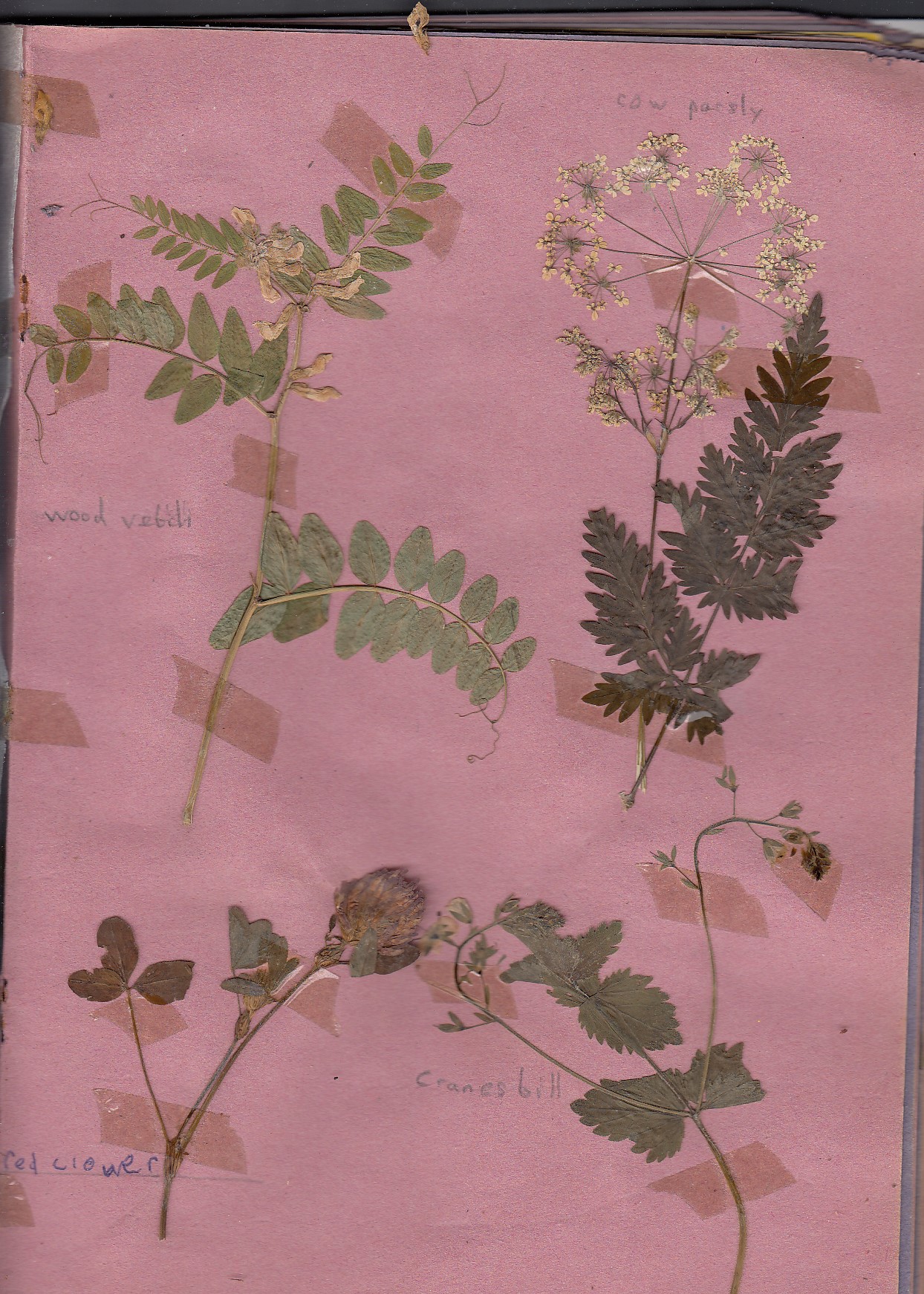
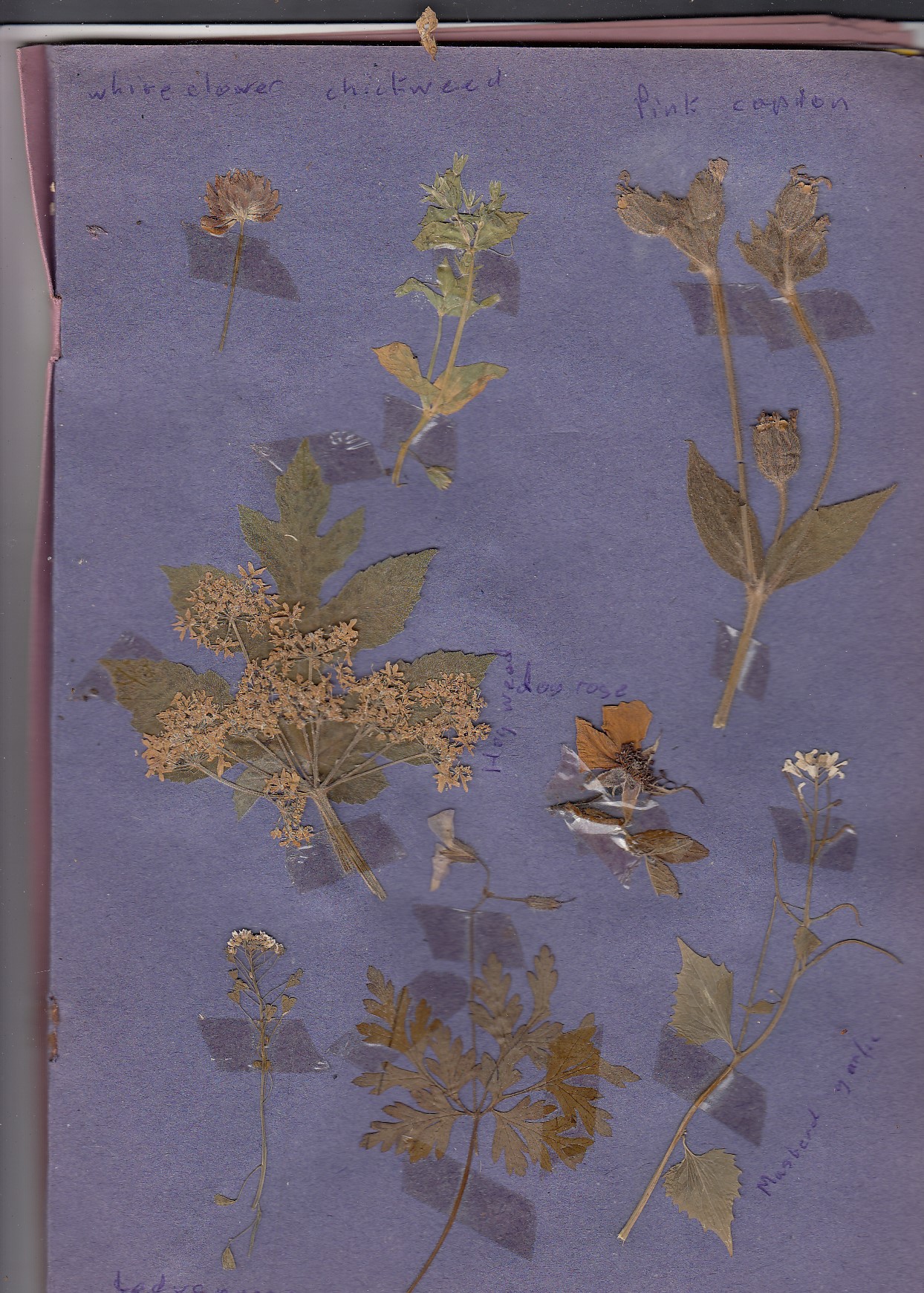
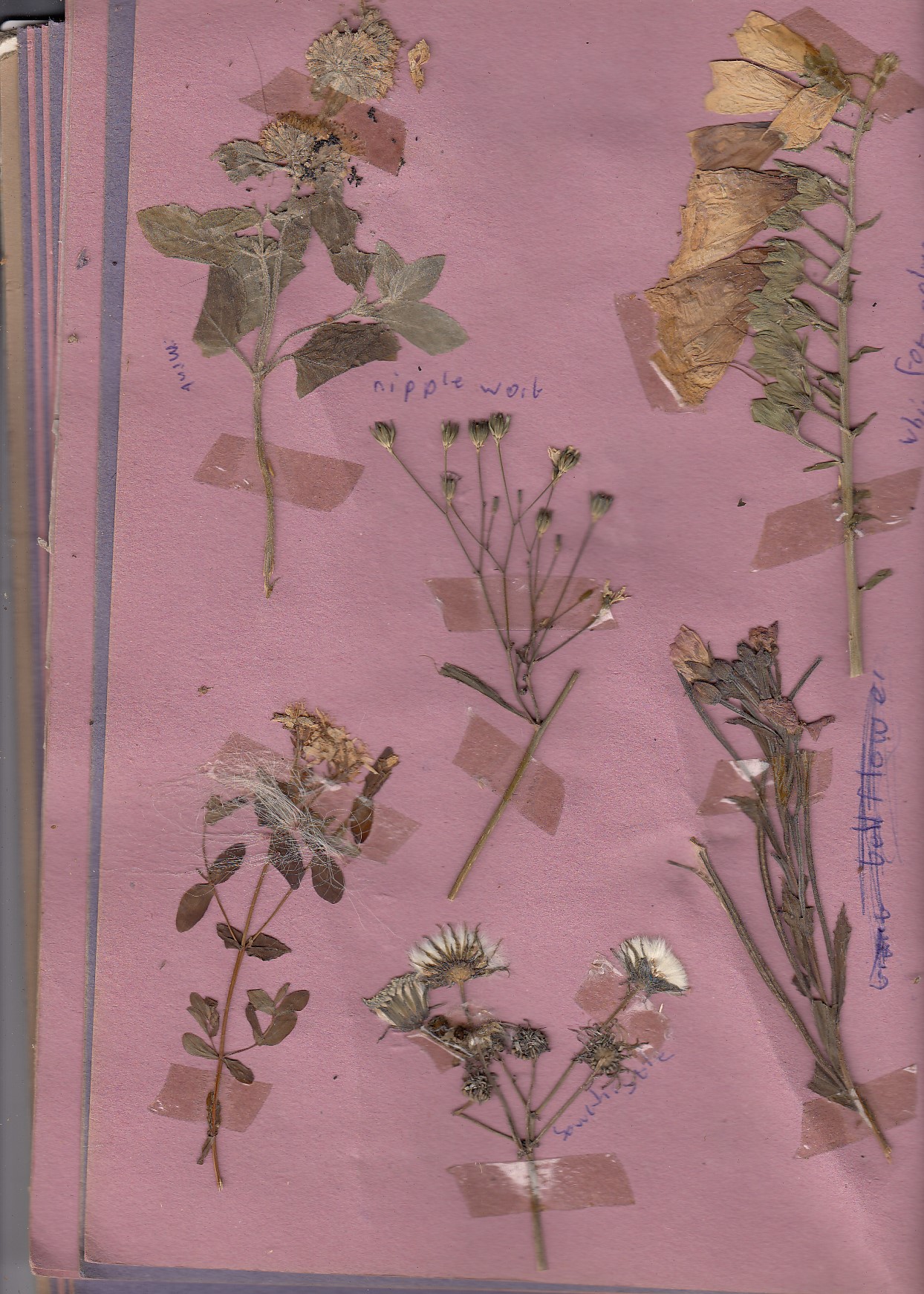
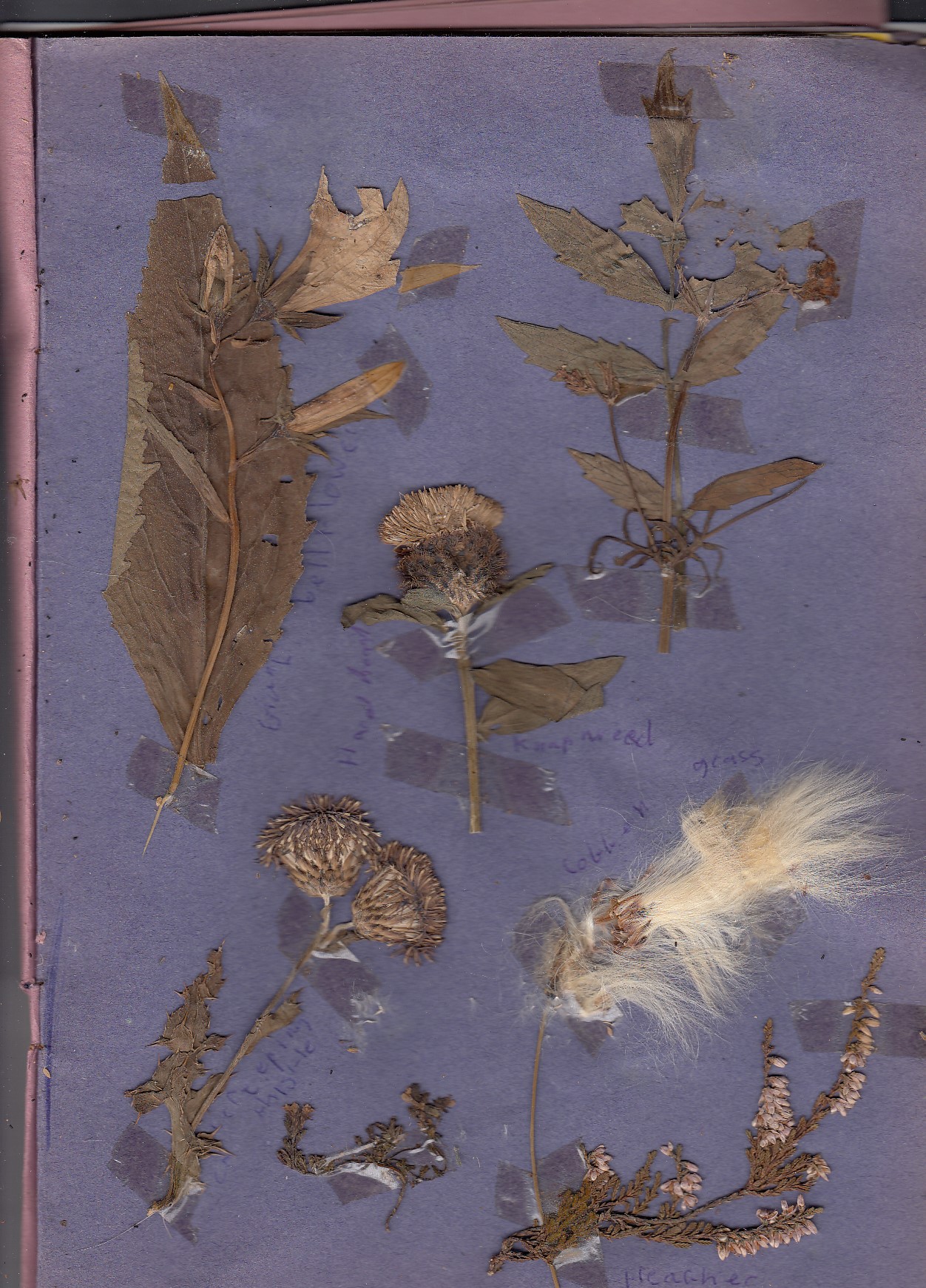
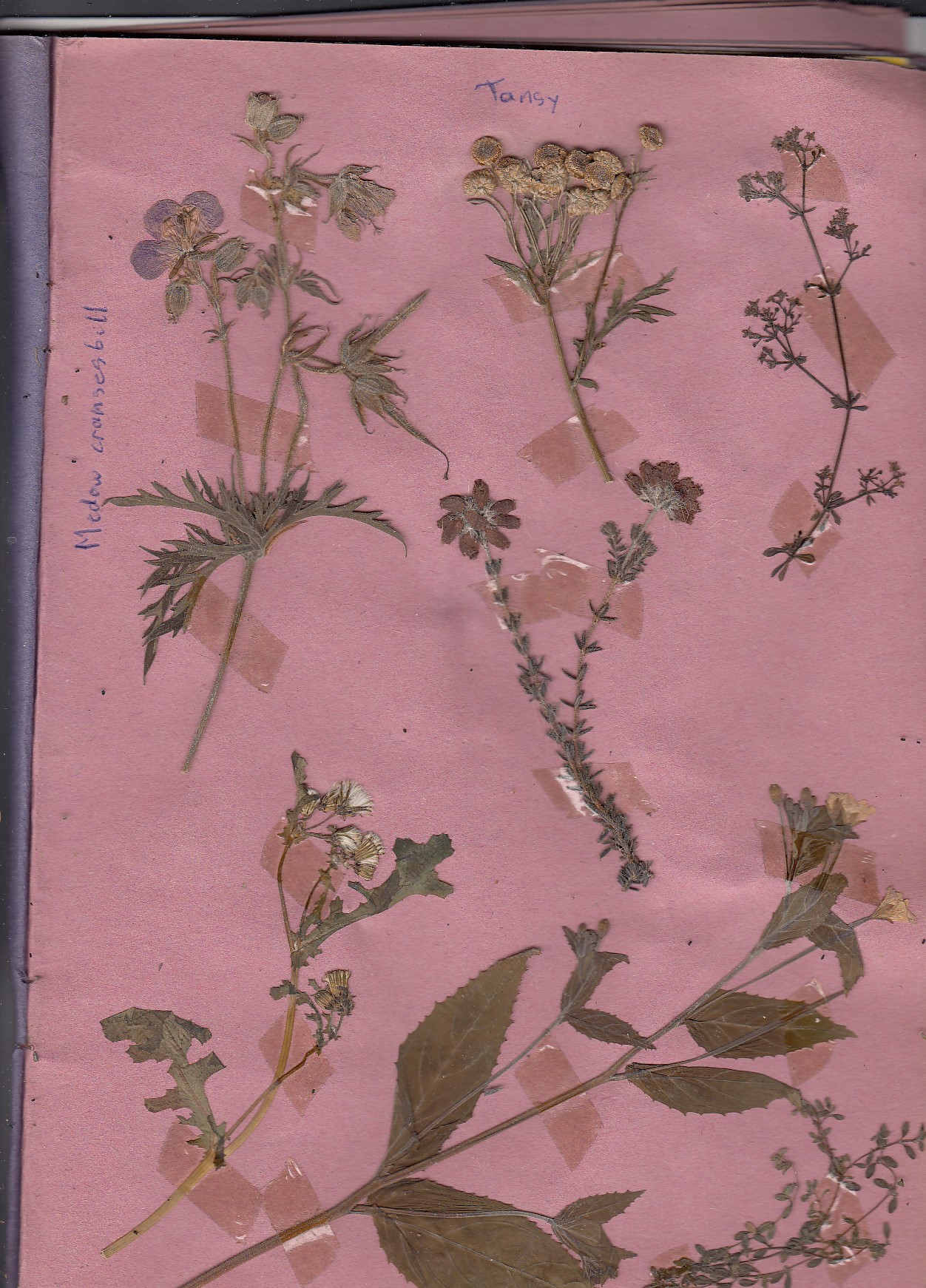
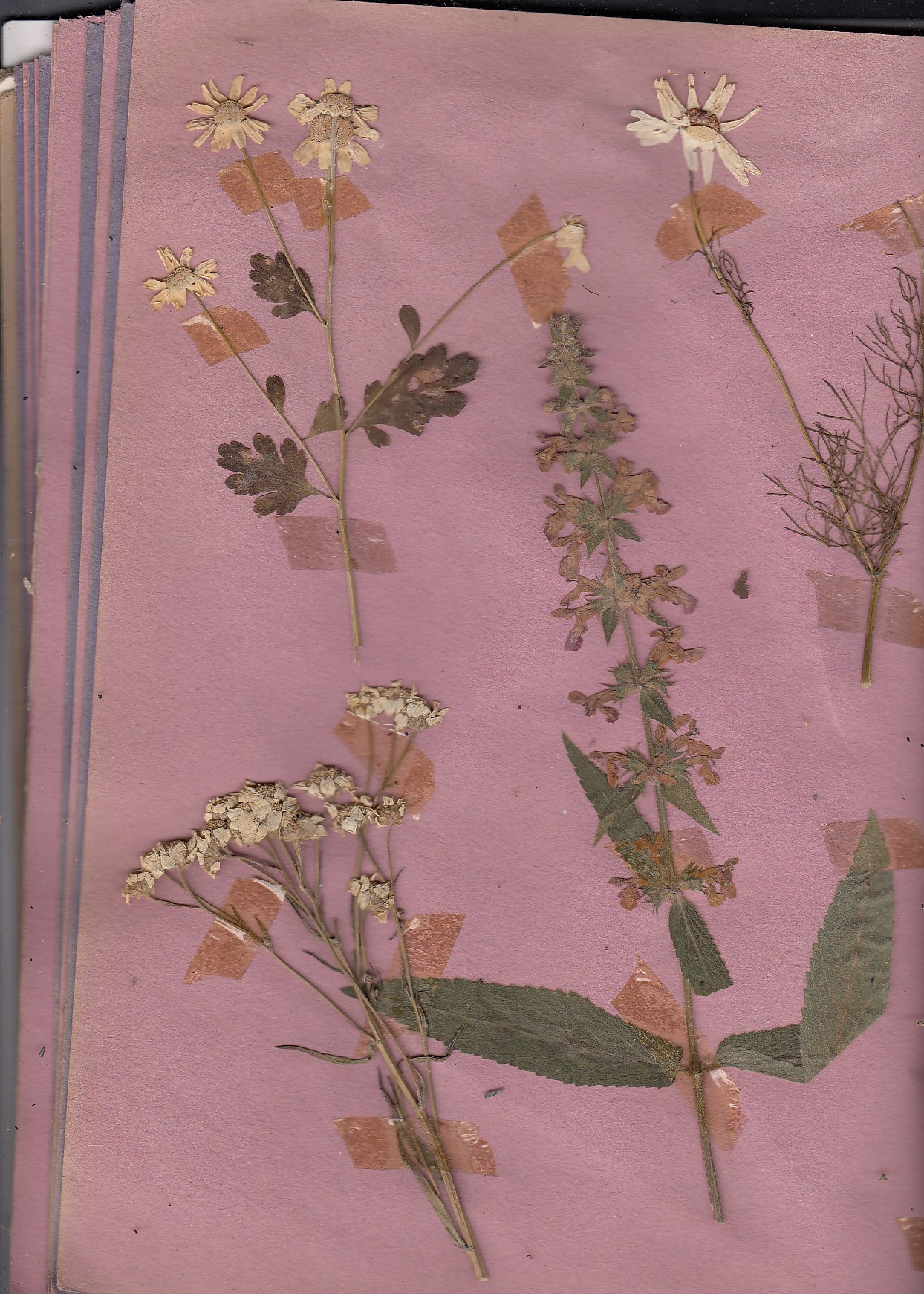
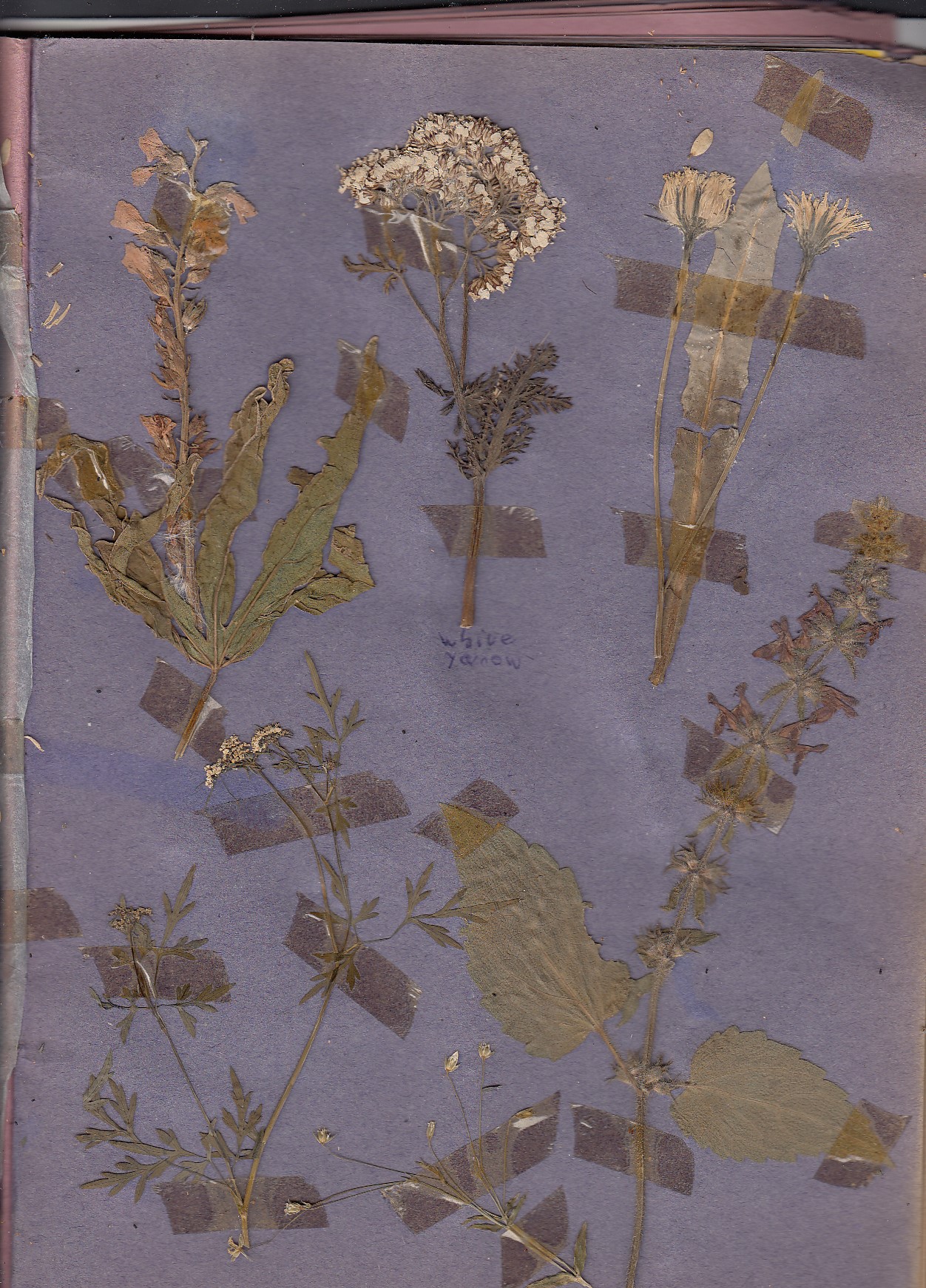
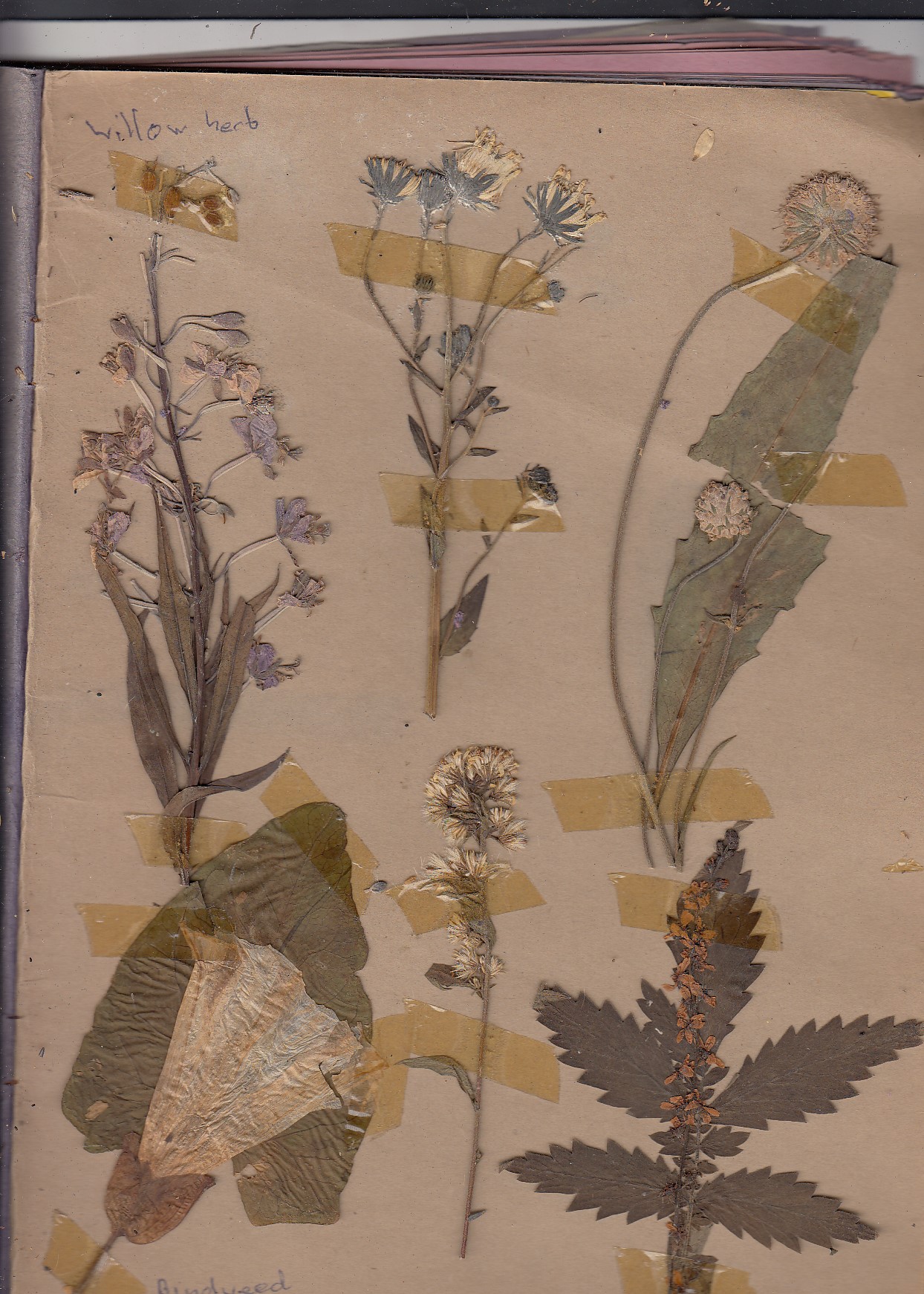
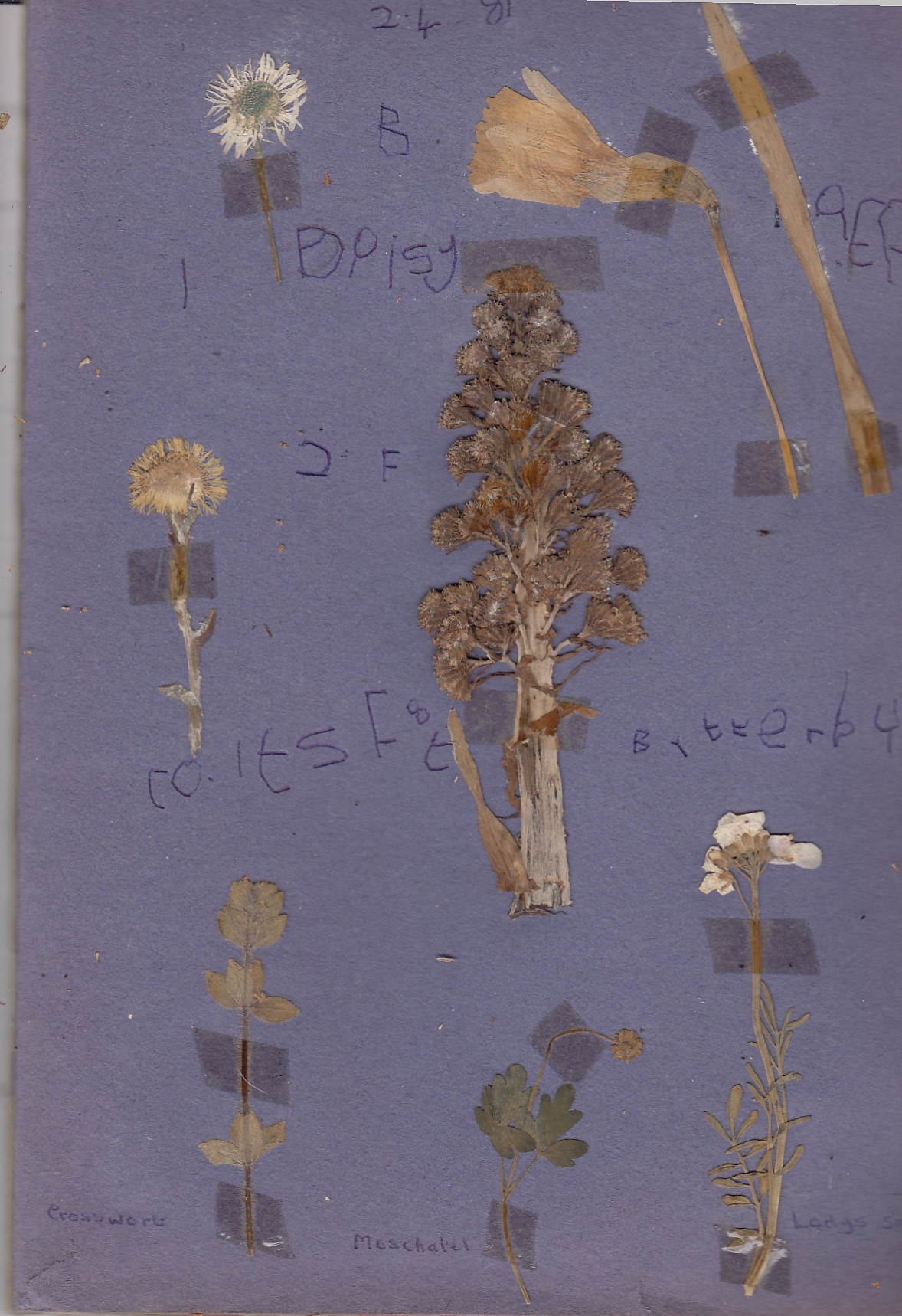
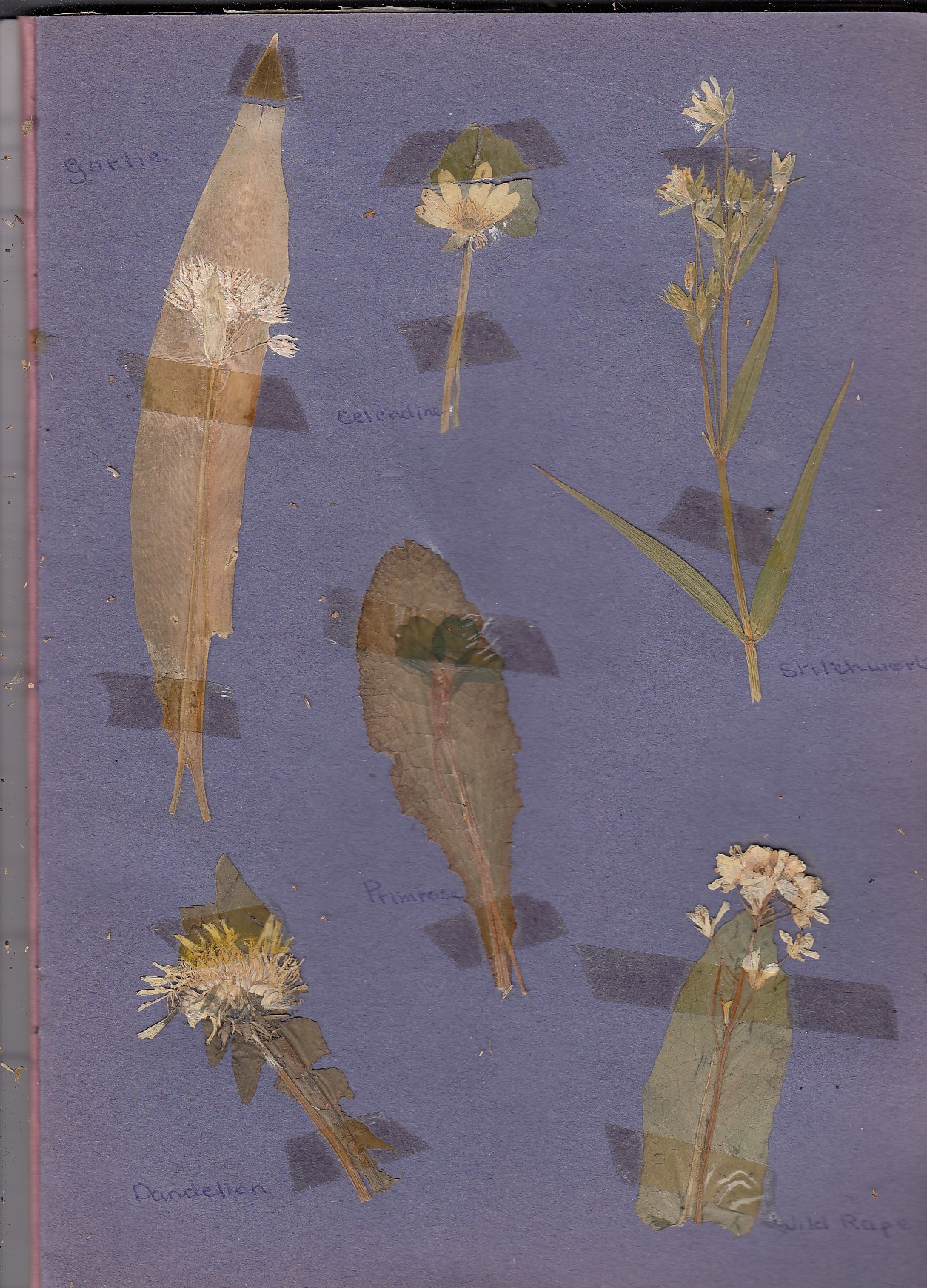
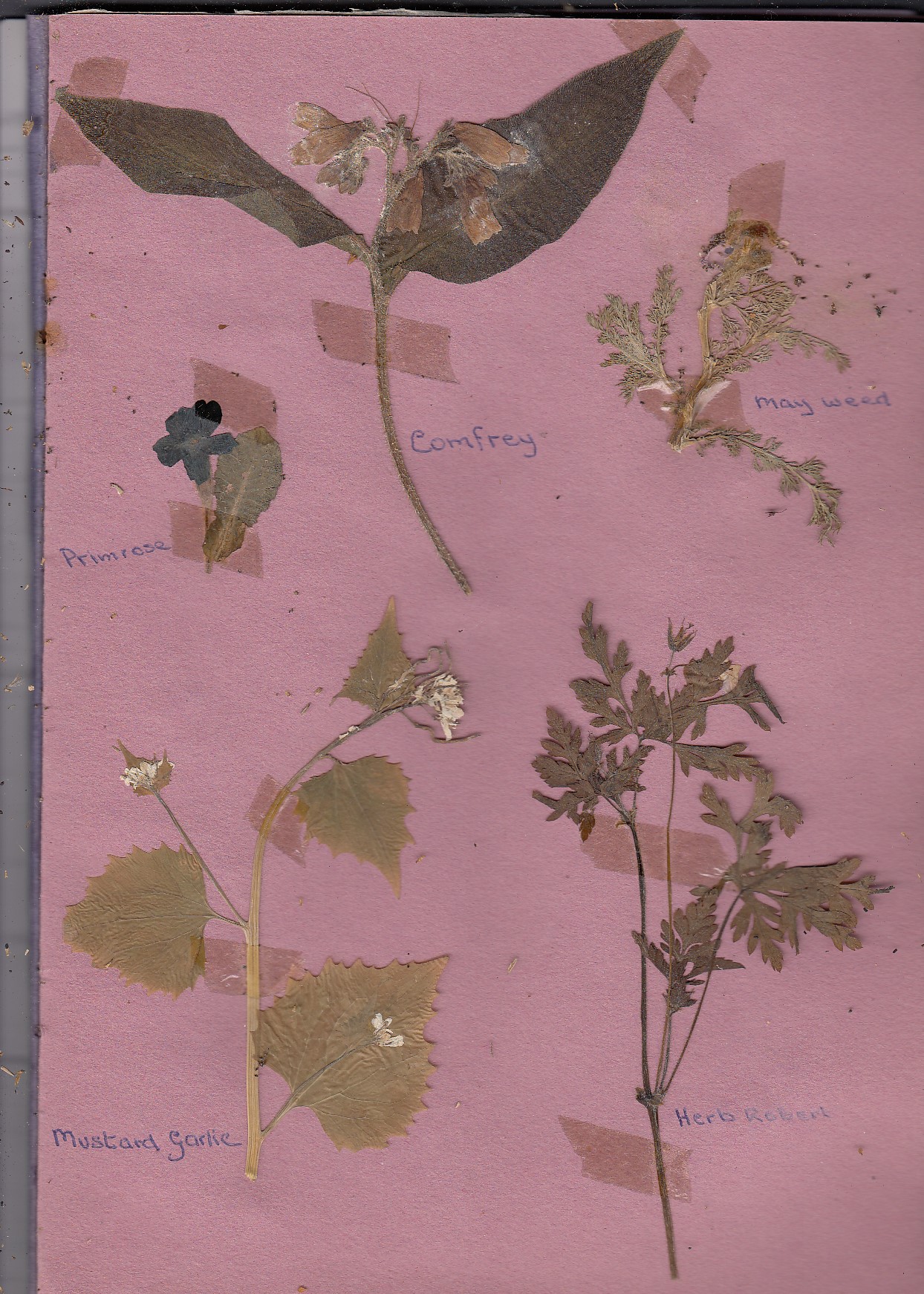
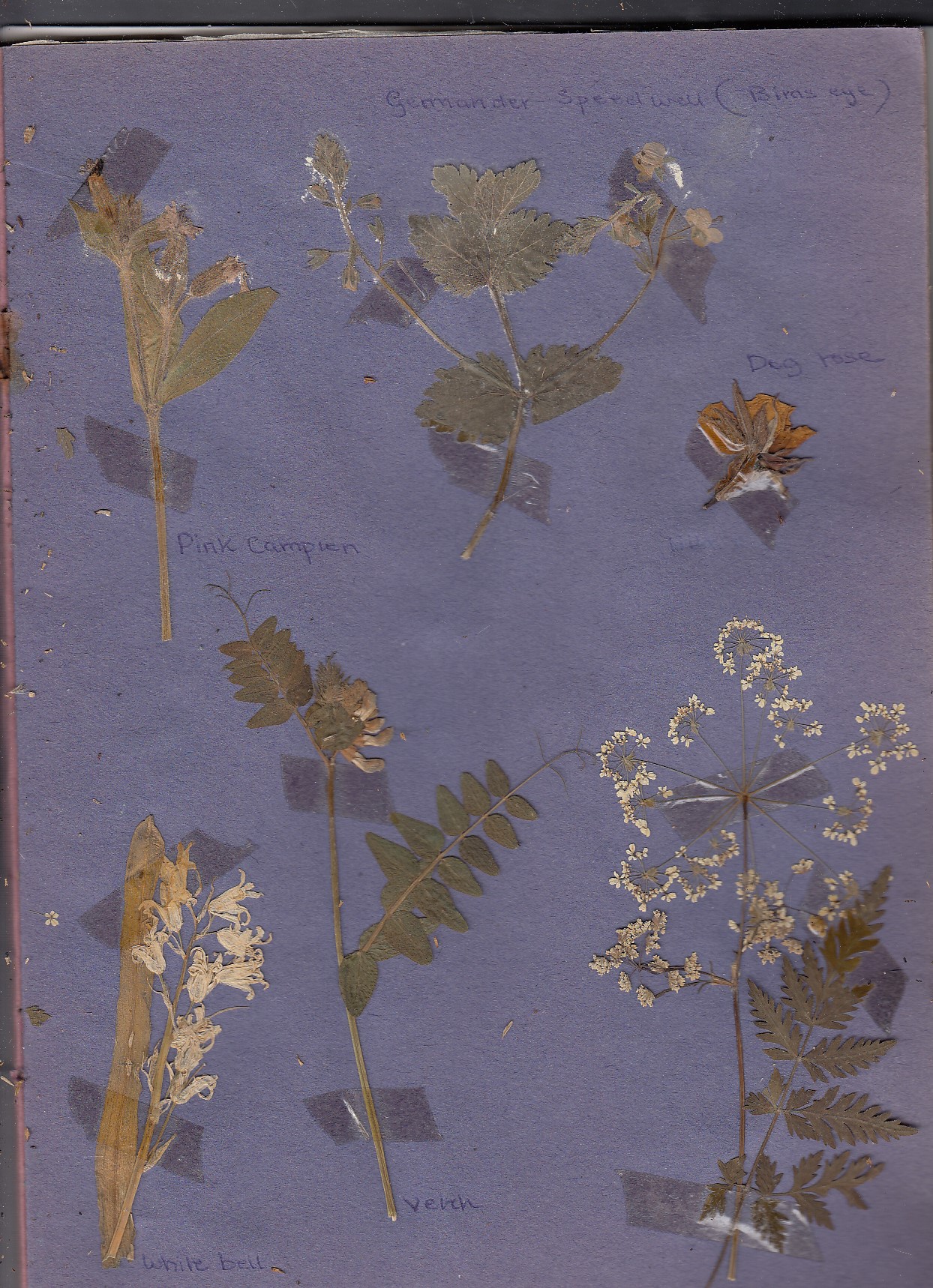
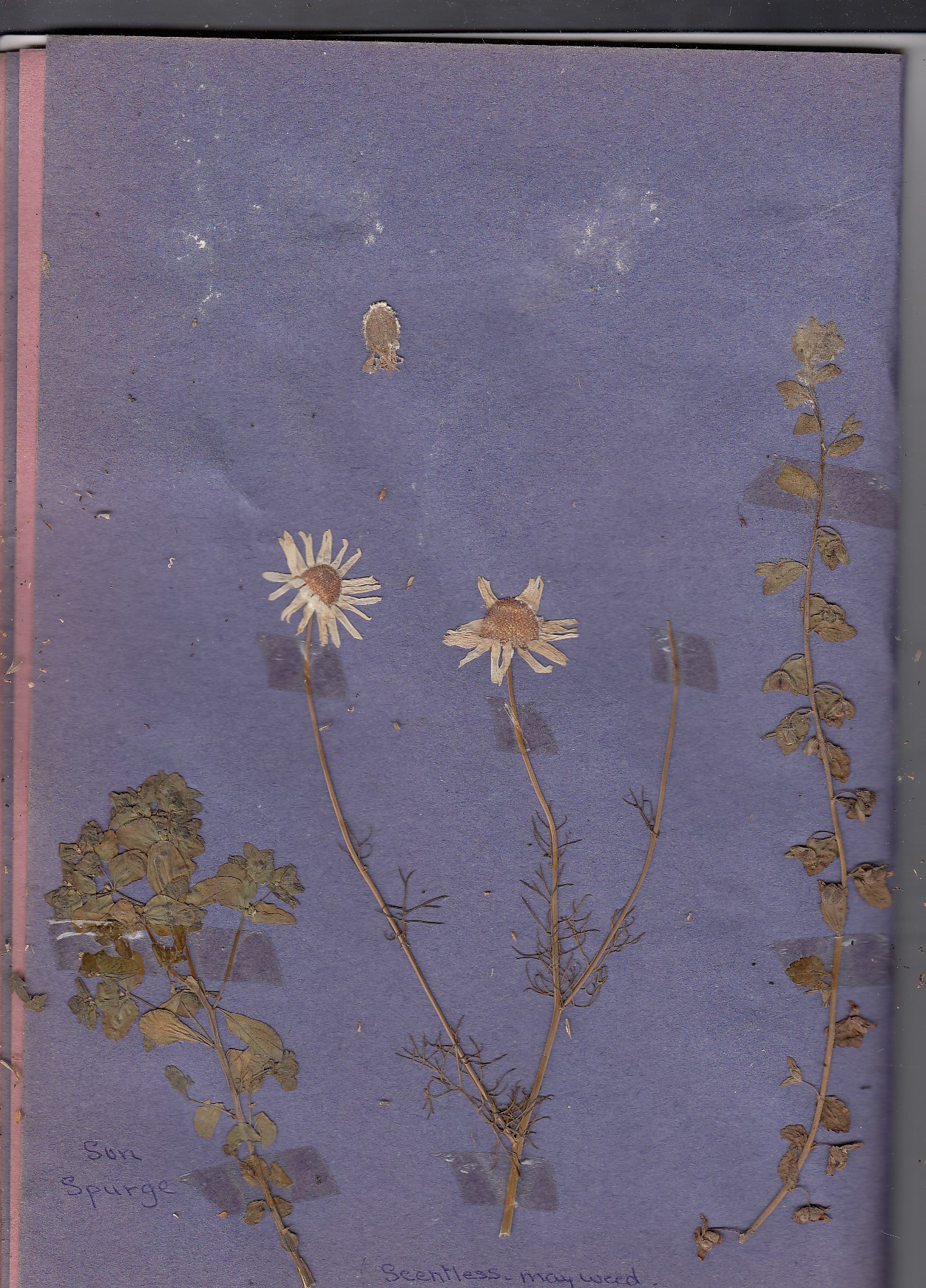
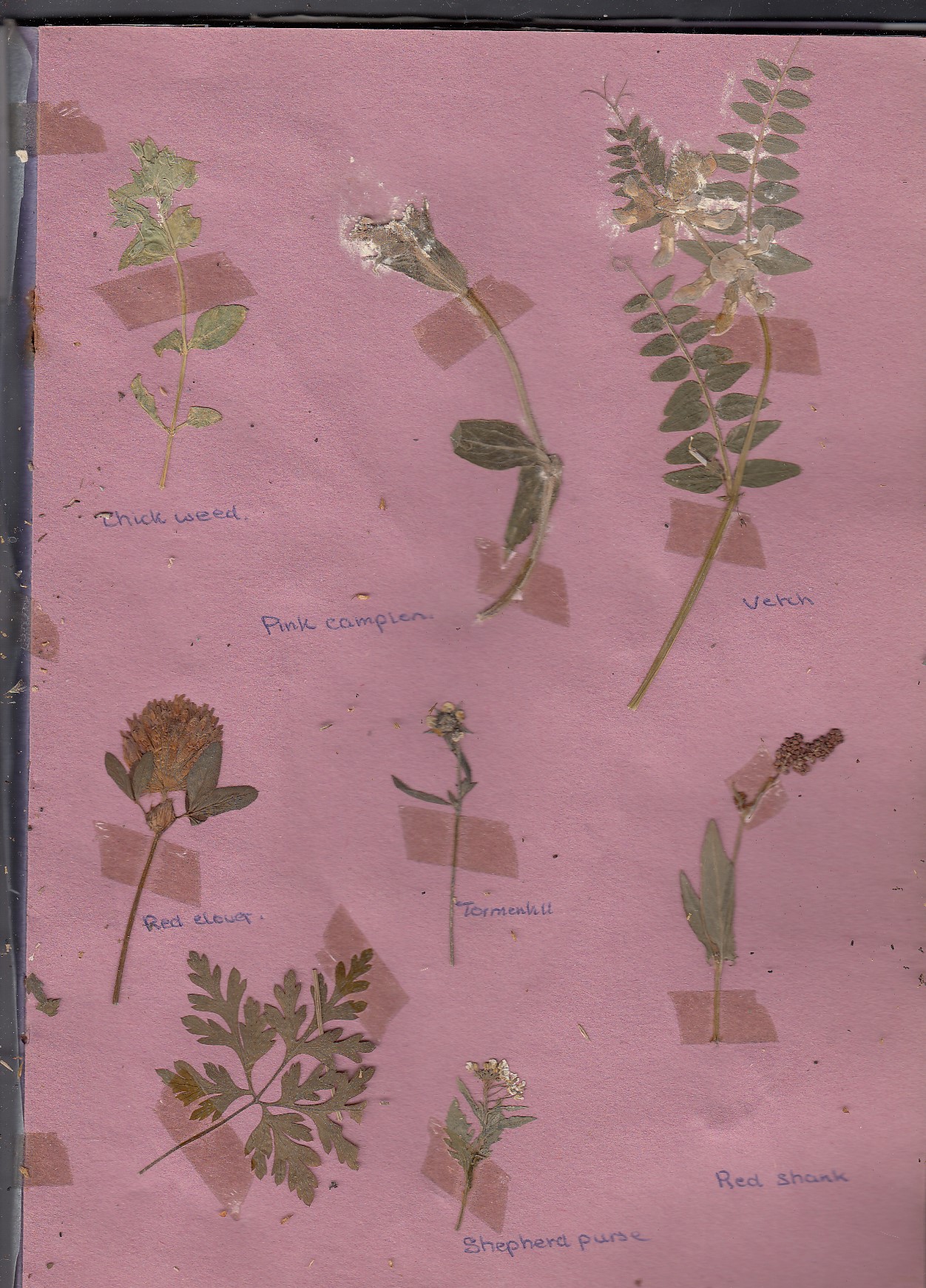
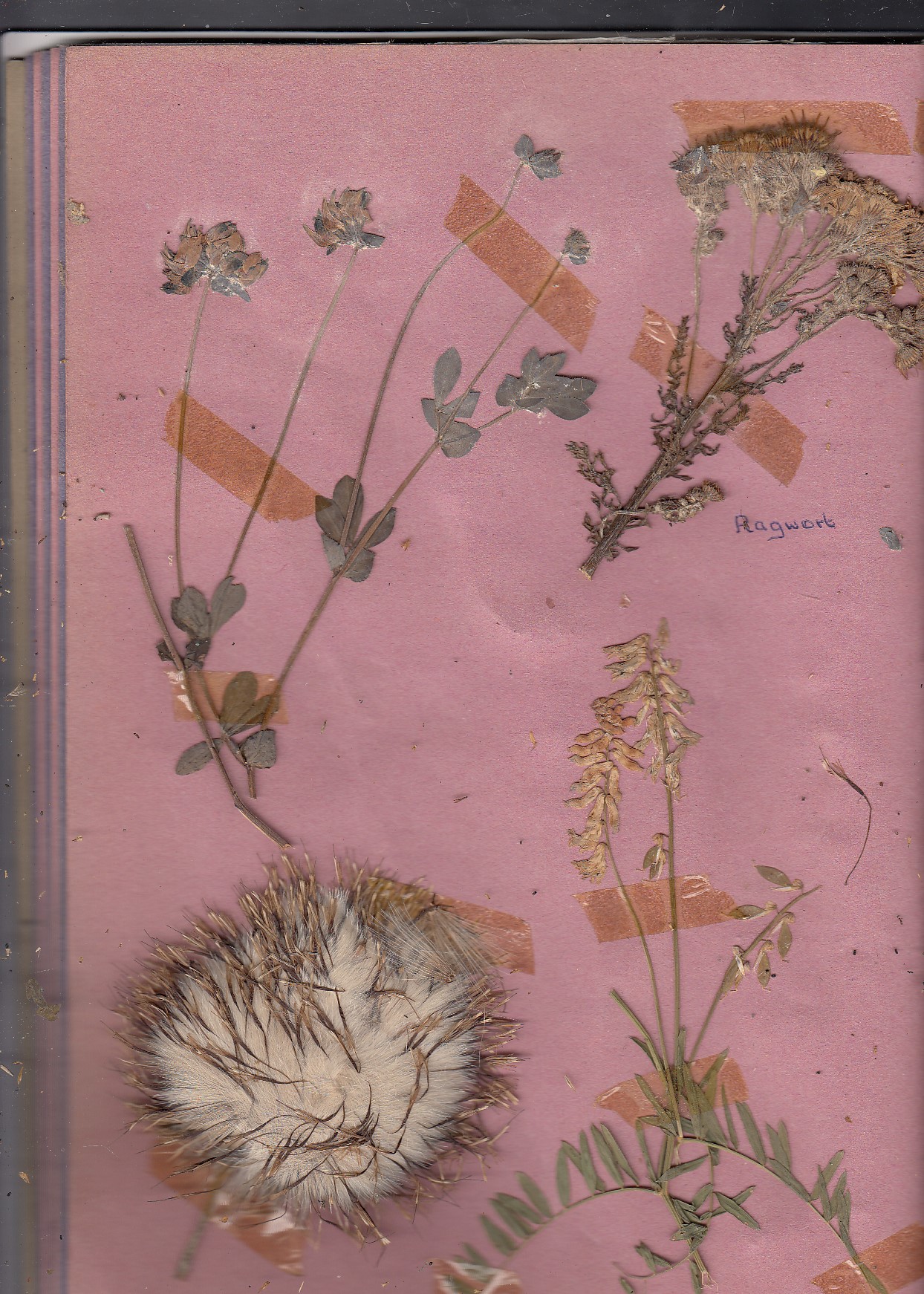
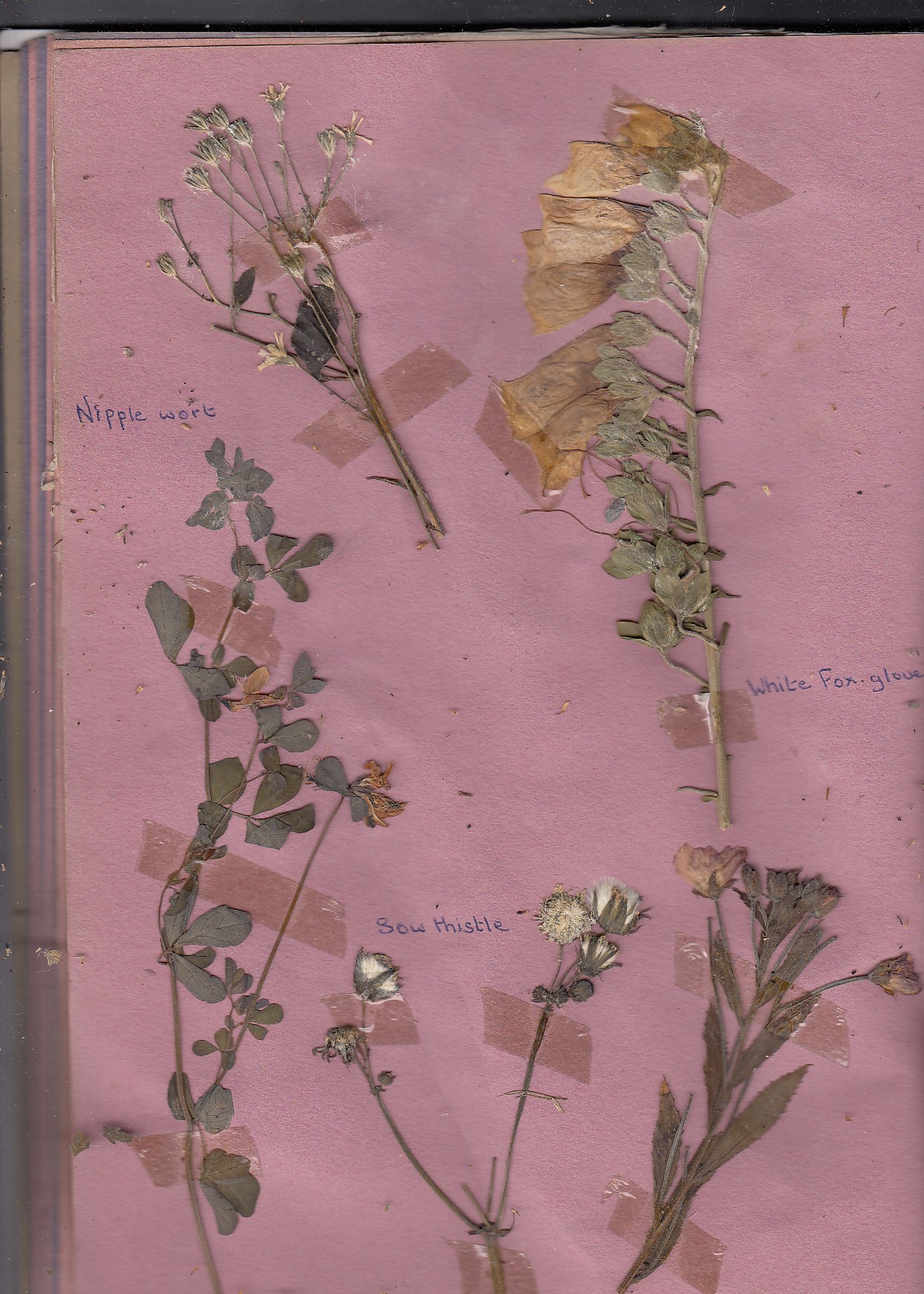
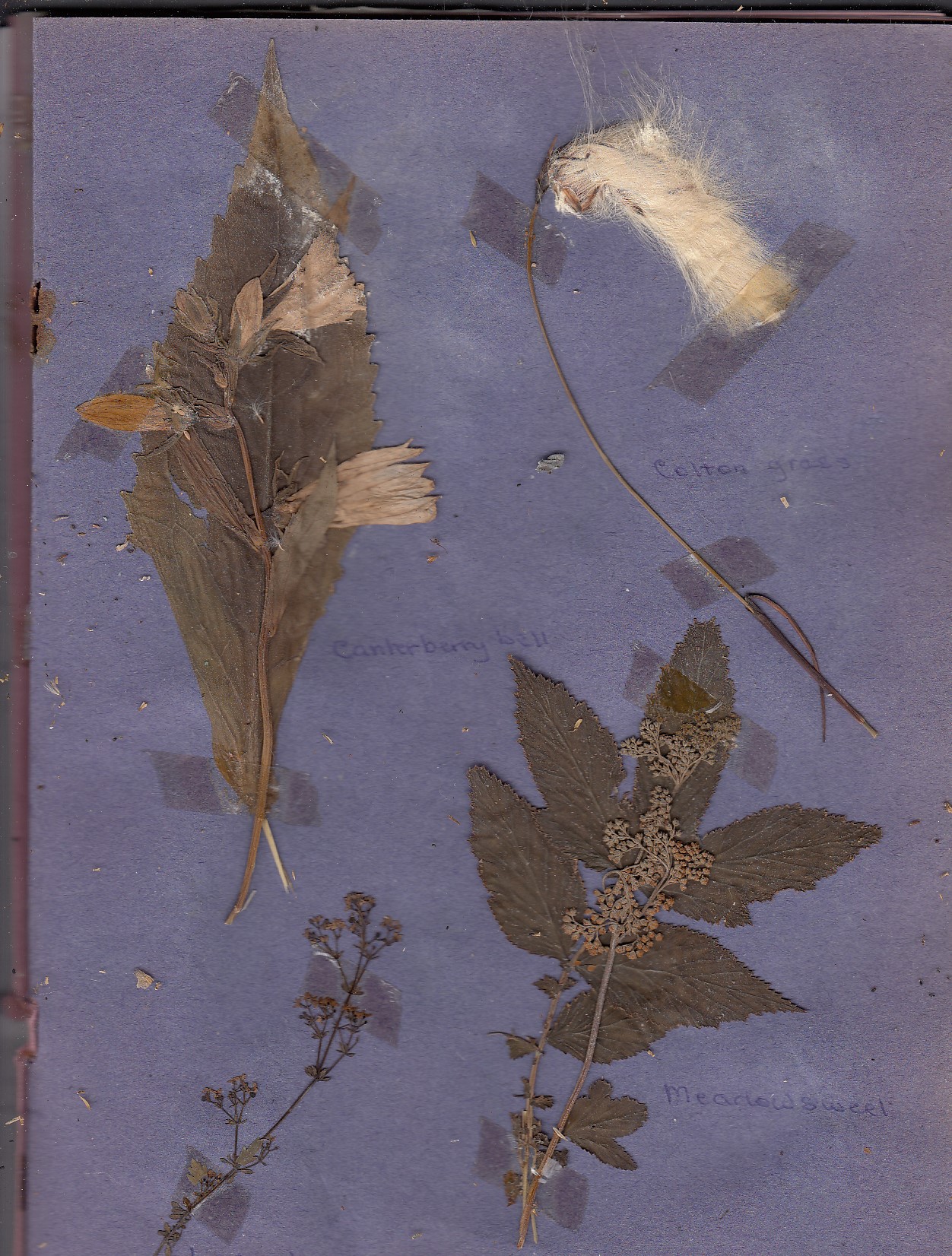
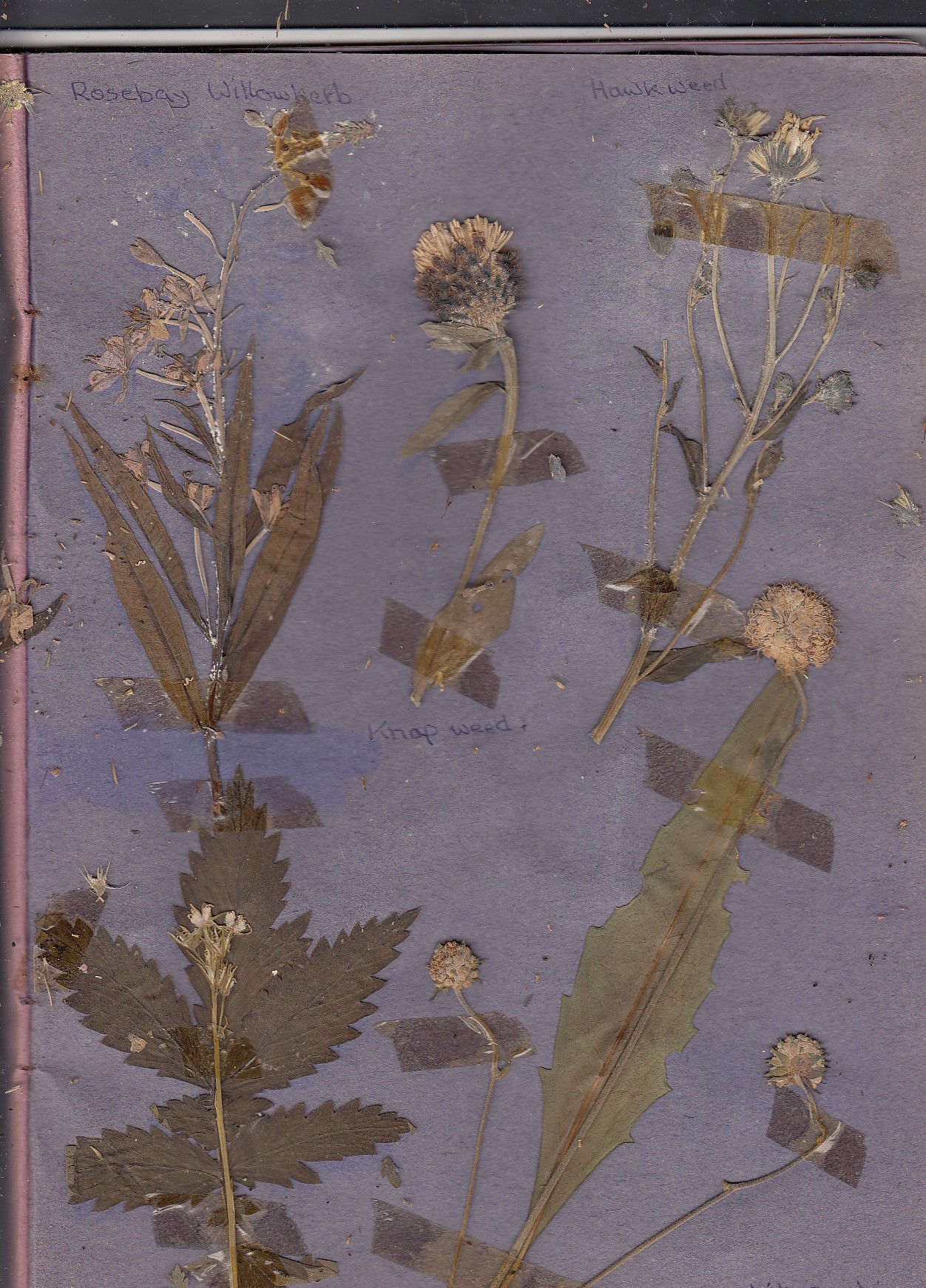
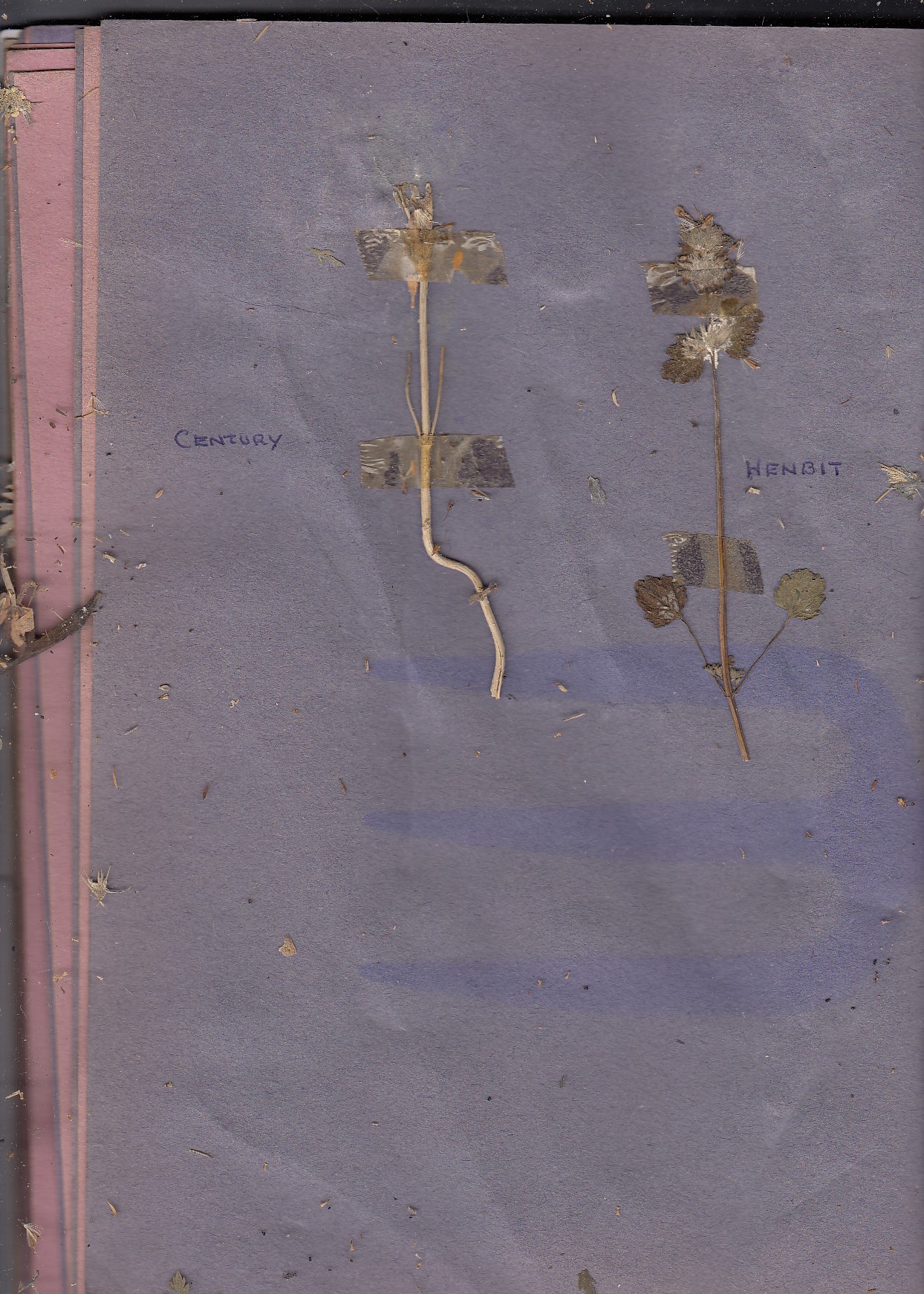
Fortunately, Grandma (Mary Houseman) was a nature explorer. Encouraged in her studies by Norwood School teacher, Miss Heaton, Grandma eventually spotted and recorded 150 species of wildflowers in our local area. (Almost, I should add, as keen eyed may notice the odd duplication in the list). Local really does mean local to within a few miles of her home at Prospect Farm, Lindley. Grandma was not an explorer in the conventional sense as she almost never left the Washburn valley.

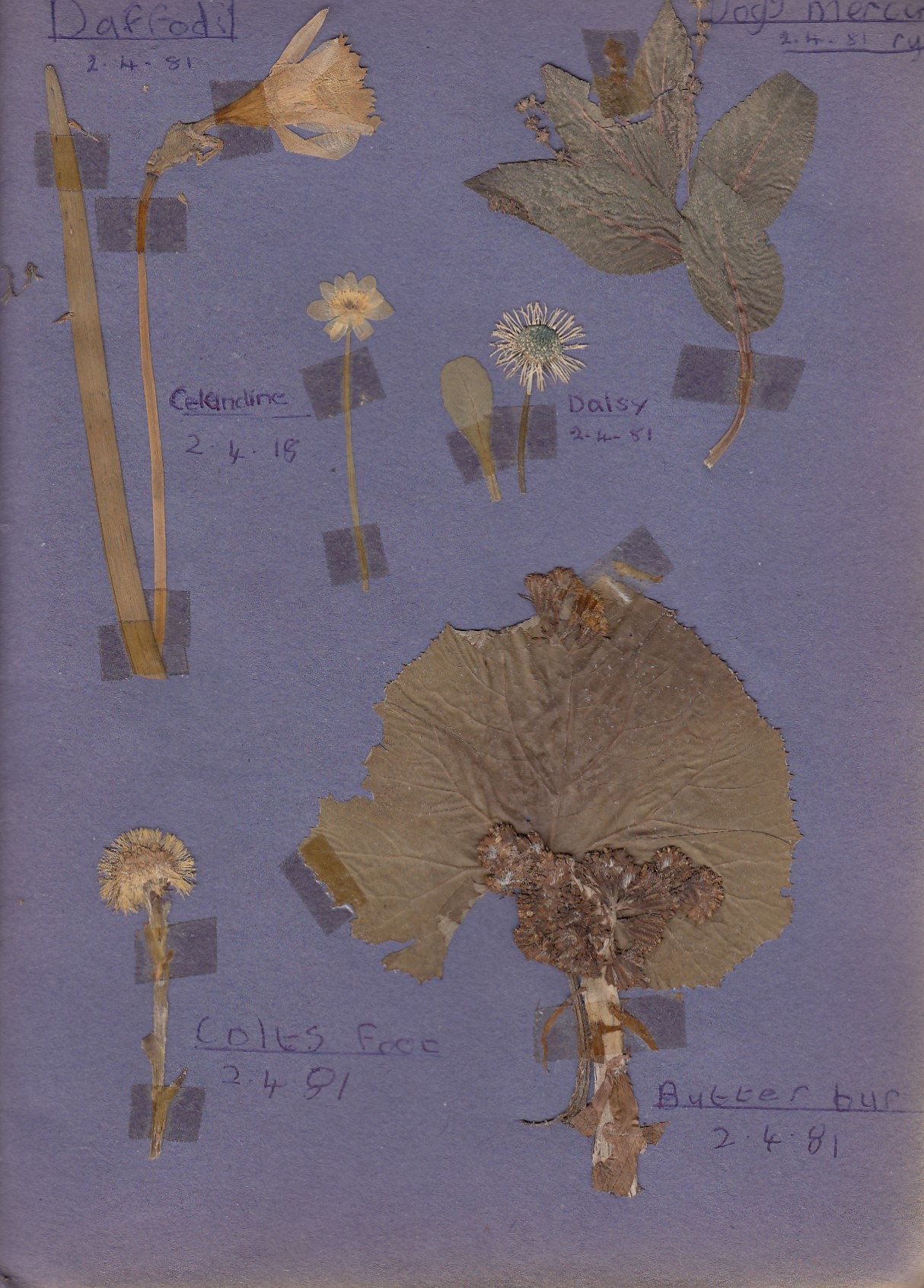
Together, aged six and sixty, we walked, explored, picked and pressed local wildflowers. Those of a certain age may remember the heavy thump of a telephone directory through the letterbox or more likely the postman knocking on the door because it wouldn’t fit through. Living on the boundary of several districts the towering pile of directories formed a perfect flower press. Two scrapbooks remain a beautiful reminder of that time.

The knowledge I had gained from those walks, together with Andrea’s own, led us to, if not quite to a victory, at least to an unexpected 8th place in the national finals.

Thirty years on I realise the most valuable thing is not the prize, nor is it my enduring knowledge. Rather, with both climate & biodiversity in crisis, it is the record of a list of wildflowers growing in the Washburn valley in the 1930s and a scrapbook of the same for the 1980s.

Cricket – a Houseman obsession

Watching test cricket at Lords has been on my bucket list for years. I can’t quite remember when or why it was added, possibly after watching the Olympics archery back in 2012, re-enforced every time I travelled past the grounds on a 274 bus. Mostly I suspect it being down to long distant memories of cricket being a Houseman “thing.” So, when the recent rain strikes prevented a friend of a friend from attending England v South Africa I jumped at the chance and whilst it wasn’t England’s best game (South Africa won without going into bat a second time) it did give me an opportunity to write about Housemans and cricket.

There is or rather was one “first class” Houseman cricketer, Ian, who played for Yorkshire between 1989 & 1991. Knowing I was a double Houseman with family from Darley, people would assume we were related. This being a Houseman from Yorkshire we are of course, but it took me many years to work out the relationship, 6th cousins, as Ian forms part of the third branch of Darley Housemans.

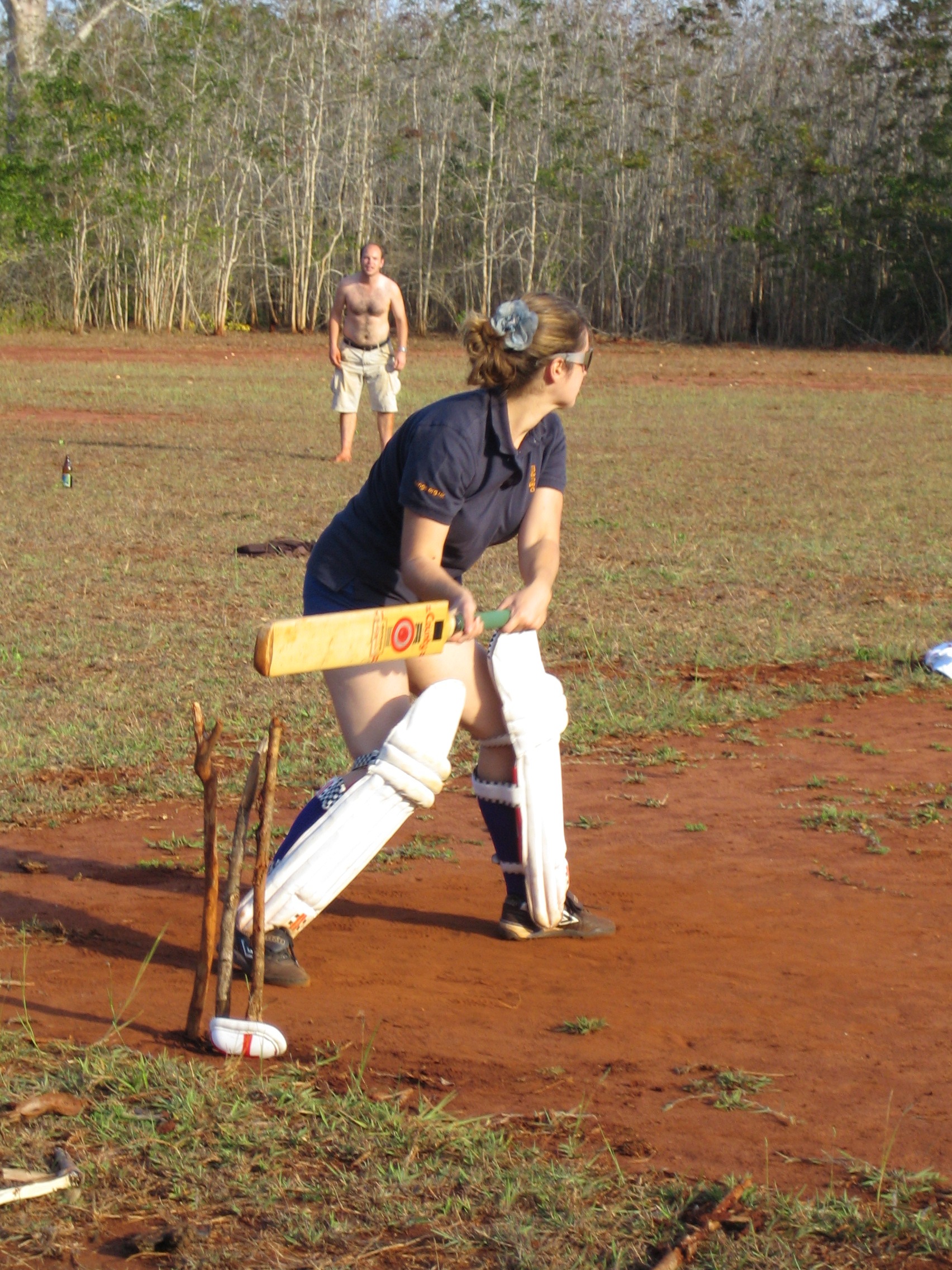
Playing cricket near Mikindani, Mtwara, Tanzania, 2006. Own collection.

I certainly didn’t inherit the gene. Cricket as a child involved watching the men play from the side lines whilst the women organised sandwiches and cakes as Dad played in young farmers advisory v members matches. I do have fond memories of making up numbers when working in Mikindani, Tanzania in 2006. Essentially if you put a South African in charge of a remote farm, mix in a public school educated English person or two, hot weather, sundowners and a need to avoid mosquitos by dusk, cricket seemed the obvious entertainment.

This blog is about family history though and not my own and there were two cricket obsessed men in our family, Grandad (Dad’s Dad, George Houseman) and Grandma’s Dad, Jesse Houseman.

George Houseman, Grandad, is in the forefront at the left. Own collection.

Grandad joined Farnley Estate club after the war and then moved to play for Darley as they were in a league and he felt they were more competitive. He was to remain a player and then staunch support of Darley for the rest of his life. Six club members were to be bearers at his funeral. On summer weekends George would throw his kit in the boot and travel round Yorkshire hoping that the team might be a man down and he would get a game. Saturday evenings would see him sat by the phone waiting for people to ring him to recount a match or to find out the result of a game they had missed.

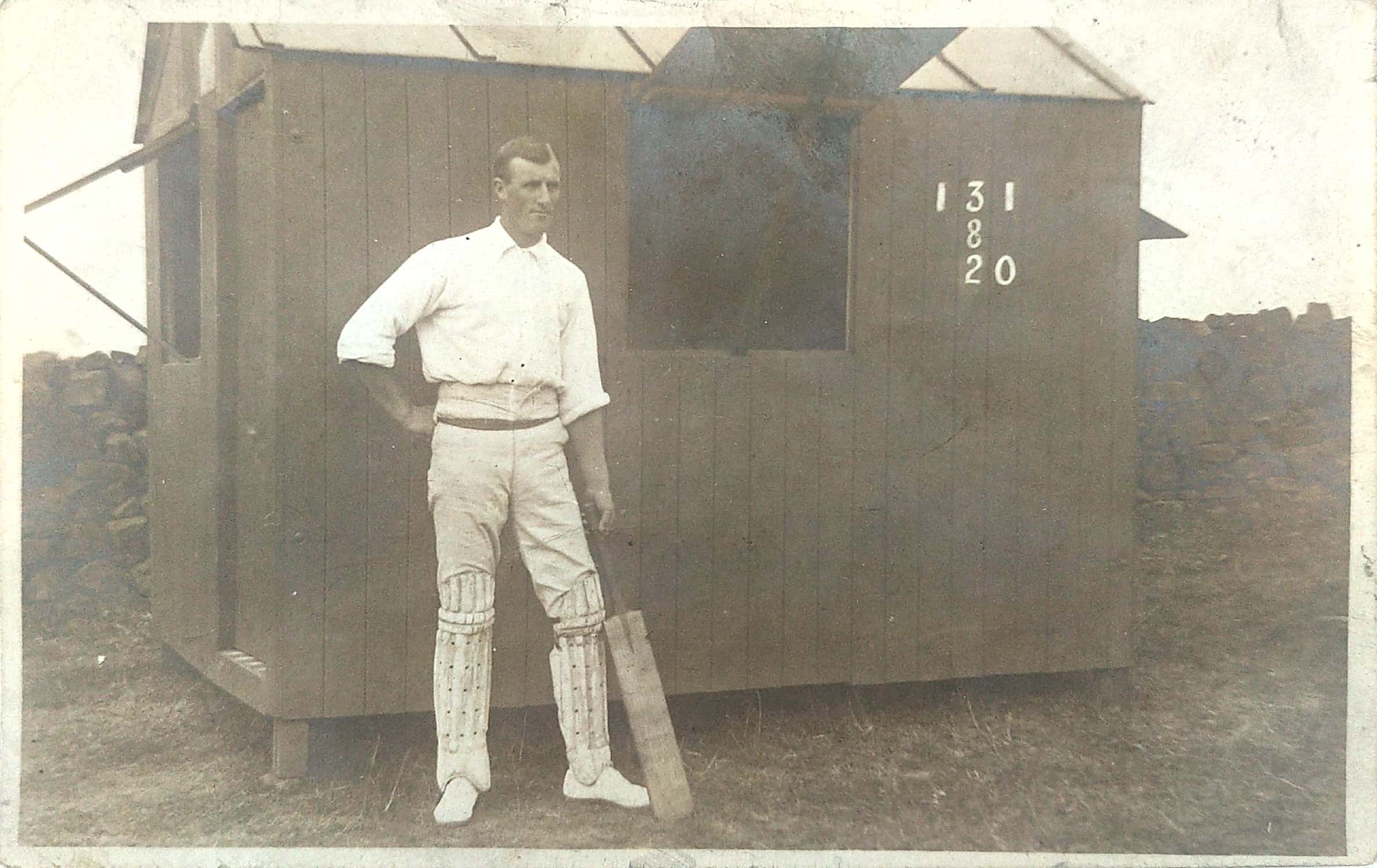
I know little about Jesse Houseman’s cricketing career beyond two wonderful photos with which I will end this blog. The first is a postcard from Jesse to his sisters Beatrice, Alice & Emma, the second as a seemingly proud batsman. I think it’s meant to indicate a batting score of 131, which is just about as many as the whole England team scored in their second innings against South Africa!

Jesse Houseman. Own collection